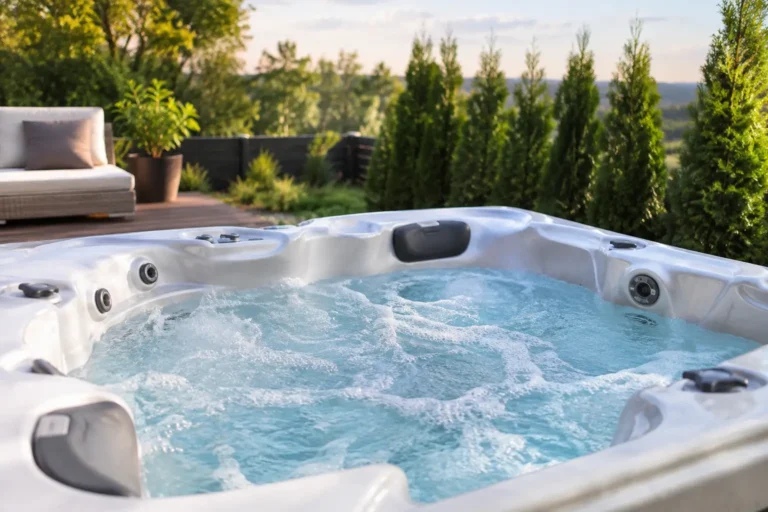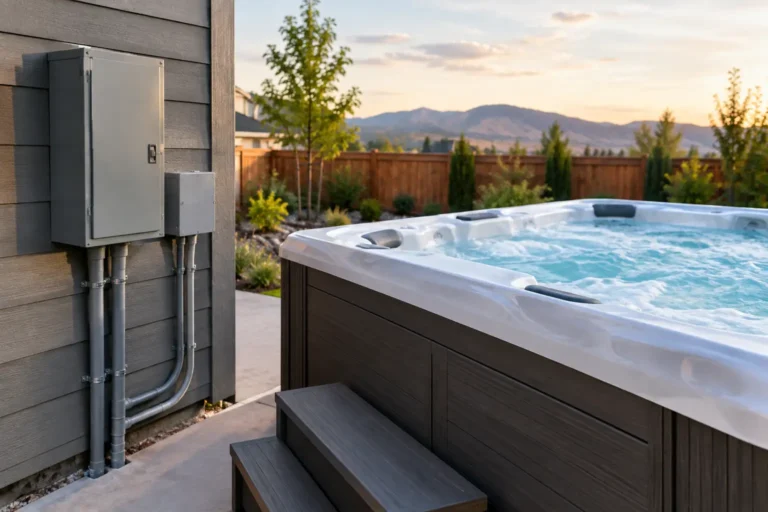
A hot tub can have an impressive jet count and still miss the spot that bothers you most. That is why spa jet selection should begin with the people who will use the spa, the kind of relief they want, and how each seat feels – not with the biggest number on a spec sheet. The right combination can turn a few quiet minutes after work into meaningful recovery, or make the backyard the place your family naturally gathers.
Start With How You Want to Feel
Think about your normal routine before comparing jet layouts. A runner may want focused lower-leg and foot therapy after a long run. A professional who spends hours at a desk may prioritize neck, shoulder, and upper-back coverage. For many households, the best answer is a mix: one or two deeply therapeutic seats, a comfortable lounge or reclined position, and open seating that lets family and guests relax together.
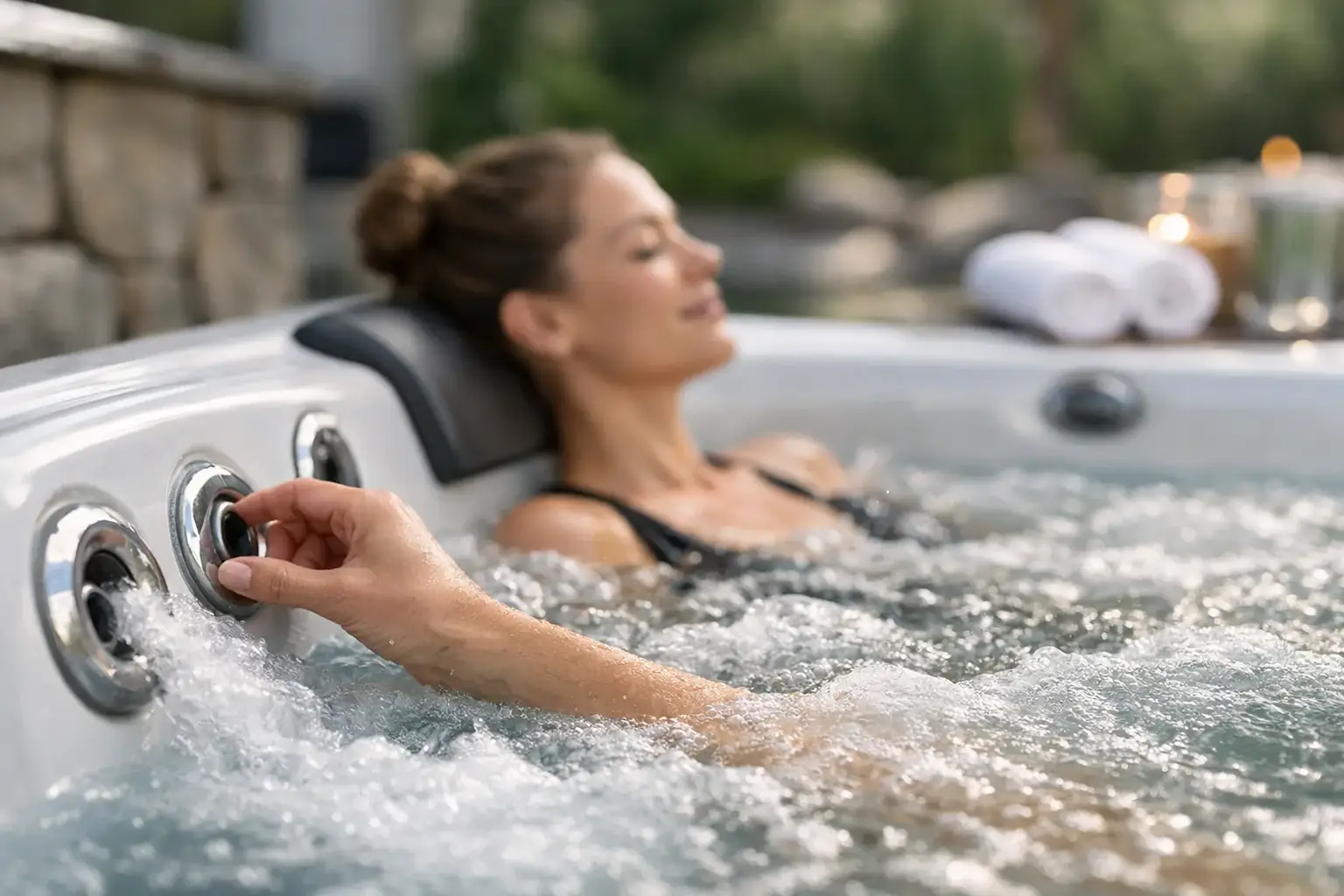
Hydrotherapy is personal. What feels energizing to one person can feel too intense to another. A good spa offers variety, including larger jets for broad muscle groups and smaller jets for more targeted pressure. It should also give you practical control over the experience, with adjustable jet faces, diverter valves, and air controls that let you tailor the flow instead of accepting one fixed setting.
Spa Jet Selection Is More Than Jet Count
Jet count is useful as a quick comparison point, but it does not tell the whole story. A well-designed 35-jet spa can deliver more satisfying therapy than a model with 60 jets placed without much purpose. Placement, adjustability, plumbing design, and pump performance determine whether water reaches the right areas with consistent pressure.
Look at where the jets land when you are seated. Shoulder jets should align with your shoulders, rather than spray above them. Back jets should follow the natural curve of the spine, with coverage that reaches the upper back, mid-back, and lower lumbar area as needed. If a spa includes calf or foot jets, sit in that seat and make sure your legs can rest naturally without sliding or stretching to reach the water flow.
It is also worth asking whether the jets can be individually adjusted or turned off. This flexibility matters when two people have different comfort levels. One person may prefer a strong, focused massage while another wants a gentler soak with minimal pressure.
The Main Jet Styles to Know
Most premium hot tubs use several jet styles within the same shell. Directional jets provide a concentrated stream that can be aimed at a specific area, making them a strong choice for knots around the neck, shoulders, hips, or lower back. Rotary jets create a moving or circular sensation, offering broader coverage that many owners enjoy for general relaxation.
Larger massage jets typically work well across broad areas such as the back and thighs. Smaller precision jets can bring more focused attention to a sore spot. Waterfall features and softer jets may add a calming sensory element, but they should complement therapeutic seating rather than replace it if pain relief and recovery are your main goals.
The best layout usually combines these options. A spa with every seat designed for maximum intensity can become tiring. One with only gentle movement may not provide enough relief after exercise, yard work, or a demanding week.
Match the Seats to Real People
A spa seat is not one-size-fits-all. Height, torso length, shoulder width, and leg length all affect where jets hit and whether you remain comfortably seated. This is especially true for lounge seats. Some people love the full-body support of a lounge, while others float upward or find the leg position awkward. A wet test is the most reliable way to know.
When you visit a showroom, take time to sit in several positions. Notice the depth of the seat, the angle of the backrest, and whether your feet feel stable. Ask which seats are designed for full-body therapy, which offer deep immersion, and which make socializing easiest. If your household includes people of different heights, prioritize a model with varied seating depths and jet configurations.
For families and frequent entertainers, open seating often provides more flexibility than a spa built around one large lounge. For a couple focused primarily on relaxation and muscle recovery, a lounge and two high-therapy seats may be a better fit. Neither approach is universally better. It depends on how your backyard will be used on an ordinary Tuesday night as much as on a weekend with friends.
Look Beyond Power Claims
More horsepower does not automatically mean better hydrotherapy. Pump capacity, plumbing efficiency, and how the spa distributes water across active jets all matter. A spa should provide steady, satisfying pressure without requiring every pump to run at full force all the time.
Ask how many pumps the model uses, how jet zones are controlled, and whether a diverter valve can send more power to a specific seat. A dedicated therapy zone can be valuable when you want targeted relief. At the same time, a system that spreads water well across multiple occupied seats may be more important for a household that uses the spa together.
Noise is part of this decision, too. Strong therapy should not make conversation impossible or disrupt a peaceful evening outdoors. During a demonstration, listen to the spa with the jets operating. A well-built cabinet, quality equipment, and thoughtful water-flow design contribute to a more enjoyable ownership experience.
Consider the Whole Hydrotherapy Experience
Jets are central, but water temperature, seating ergonomics, insulation, and controls shape the experience around them. A comfortable temperature supports relaxation, while well-insulated construction helps the spa maintain heat efficiently through cooler Southern California evenings. Easy controls make it more likely that you will adjust the therapy to suit the moment rather than settle for a setting that is merely acceptable.
Think about maintenance as well. Clear water and properly balanced chemistry protect equipment and help every jet perform as intended. Jets can lose their effectiveness when filters are neglected or water care is inconsistent. Choosing a dealership that can support delivery, installation guidance, water care, and service gives you a better path to long-term enjoyment after the initial purchase.
At Backyards In Style, a showroom consultation can help make the comparison more concrete. Rather than trying to interpret jet diagrams on your own, you can discuss your wellness goals, seating needs, available space, and preferred features with a local team that understands the brands it carries.
Questions Worth Asking Before You Choose
Before making a final decision, ask the dealer to show you the therapy seats in action. Confirm which jets are adjustable, whether the spa has dedicated neck, calf, or foot therapy, and how water flow changes when more than one seat is active. Ask about filtration access and routine service needs, too. These details affect satisfaction long after delivery day.
Do not feel pressured to choose the model with the most features. A feature you will use three times a week is worth more than a dramatic option that looks good in a brochure but does not suit your body or routine. Your goal is a spa that invites regular use – before bed, after a workout, after work, or whenever your backyard needs to become a quieter place.
The most rewarding spa is the one whose seats fit, whose jets feel purposeful, and whose care feels manageable. Give yourself time to sit, test, and compare. When the water meets your shoulders in the right place and the pressure eases the tension you carry home, the right choice becomes much easier to recognize.