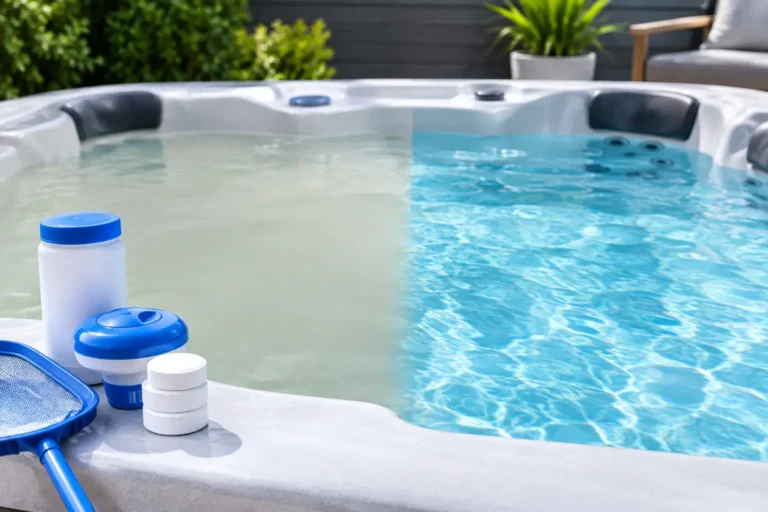
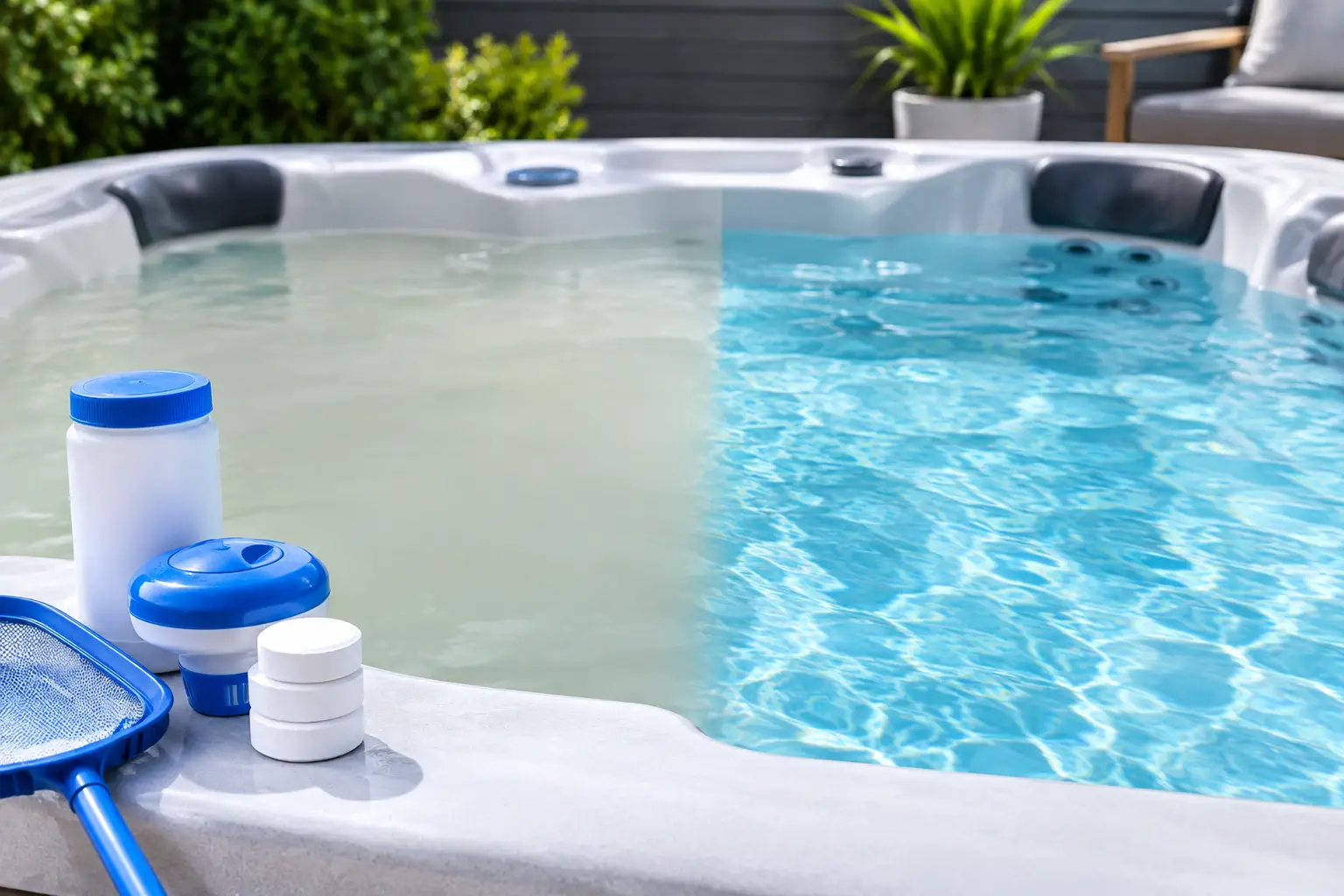
Cloudy water can make a beautiful hot tub feel off-limits just when you need it most. Whether you use your spa for a quiet evening of hydrotherapy, family time, or post-workout recovery, learning how to fix cloudy spa water helps protect that investment and brings back the clear, inviting water you expect.
The good news is that most cloudy-water issues have a manageable cause: unbalanced water, overworked filtration, residue from bathers, or a sanitizer level that has fallen behind. The fastest solution is rarely pouring in a single product. A few deliberate checks will clear the water more reliably and help prevent the same issue from returning.
Why Spa Water Turns Cloudy
Cloudiness occurs when tiny particles remain suspended in the water instead of being captured by the filter or broken down by sanitizer. In a hot tub, warm water and a relatively small water volume make this happen faster than many owners expect.
Body oils, lotions, cosmetics, detergent residue from swimsuits, pollen, dust, and leaves can all contribute. So can high bather use, especially after a gathering. Southern California backyards can also introduce windblown debris, even when the spa is covered between uses.
Water chemistry plays an equally important role. If sanitizer is too low, organic contaminants can build up. If pH or alkalinity is out of range, sanitizer may not work as effectively, and minerals or particles can remain in suspension. A dirty or clogged filter then has to work harder at exactly the time it needs to be most effective.
How to Fix Cloudy Spa Water Step by Step
Start with the basics before adding multiple chemicals. Treating the wrong cause can waste product, create additional imbalance, and delay the clear-water result you want.
Test the water first
Use a dependable test strip or water test kit to check sanitizer, pH, and total alkalinity. Follow the treatment guidance for your specific spa sanitizer system, whether you use chlorine, bromine, or another approved system.
For many residential spas, pH is generally maintained around 7.2 to 7.8, while total alkalinity is often kept around 80 to 120 ppm. Your spa manufacturer and water-care products may specify a slightly different target, so use their instructions as your primary reference.
If pH or alkalinity is outside its recommended range, adjust alkalinity first and then pH. This sequence matters because alkalinity helps stabilize pH. Add chemicals with the jets running, use only the directed amount, and allow time to circulate before retesting. Adding too much too quickly is one of the most common ways a small adjustment becomes a larger water-care project.
Restore your sanitizer level
Once balance is close to target, confirm that an appropriate sanitizer residual is present. Cloudy water often appears after sanitizer has been depleted by frequent use, heat, or a recent storm of contaminants such as pollen and debris.
If your test shows little or no sanitizer, follow your product label’s directions for replenishing it. In some cases, a spa shock treatment may be appropriate to oxidize bather waste and refresh the water. Keep the cover open during treatment when the label calls for it, and do not use the spa until the water is tested and confirmed safe for bathing.
Never mix chemicals together, and never add water to chemical products. Add each product separately to the spa water, with circulation running, and store chemicals in their original containers away from heat, moisture, and children.
Give the filtration system time to work
A clean, properly running filter is central to clear water. After balancing and sanitizing, run the circulation pump or filtration cycle longer than usual to give the system time to collect suspended particles. Depending on the severity of the cloudiness and your spa’s filtration setup, that may mean several hours or an extended filtration cycle.
Check that water flow feels normal at the jets. Weak flow, unusual pump noise, or repeated cloudiness may point to a filter issue, a circulation concern, or a service need beyond routine water care.
Clean the filter properly
Remove the filter according to your owner’s manual and inspect it closely. If it looks gray, oily, or packed with debris, rinse it thoroughly with a gentle hose stream between the pleats. Avoid high-pressure spray, which can damage the filter media.
For a deeper clean, use a filter cleaner made for spa cartridges. This is especially helpful when lotions, oils, or fine debris have accumulated. Rinse completely before reinstalling. If the cartridge is damaged, misshapen, or remains discolored and restricted after cleaning, replacement is usually the smarter choice.
Many spa owners benefit from keeping a second filter set on hand. One set can dry after cleaning while the other keeps the spa available for regular use.
Use a clarifier only when it fits the problem
A spa clarifier can help bind very fine suspended particles into larger clusters that the filter can catch. It can be useful when chemistry is balanced, sanitizer is adequate, and the water is still mildly hazy after filtration.
It is not a substitute for sanitizer or filter cleaning. Too much clarifier can create its own filtration problems, so measure carefully and follow the product directions. If the water is severely cloudy, has an odor, feels slimy, or has visible foam and debris, focus first on cleaning, proper sanitizer, and filtration rather than relying on clarifier alone.
When Draining and Refilling Is the Better Choice
Sometimes the clearest path is a fresh start. Consider draining, cleaning, and refilling your spa if the water remains cloudy after correcting chemistry and cleaning the filter, if it has a persistent odor, or if the water feels difficult to balance week after week.
A drain and refill can also make sense after unusually heavy use, extended neglect, or a long period of high temperatures. As water ages, dissolved solids accumulate from chemicals, sweat, oils, and minerals. Test strips can show acceptable readings while the water still looks dull or resists correction.
Before refilling, wipe down the shell at the waterline and inspect the filter compartment. Refill according to the spa manufacturer’s instructions, preferably through the filter area when recommended to help reduce the chance of an air lock. Then test, balance, sanitize, and heat the new water gradually.
Prevent Cloudy Water Before It Starts
Clear spa water is easier to maintain than rescue. A simple, consistent routine protects both your soaking experience and the components that keep your spa operating smoothly.
Encourage everyone to shower before using the spa, particularly after exercise, yardwork, swimming, or using sunscreen. Use swimwear that has been rinsed free of detergent, and avoid bringing food, drinks, lotions, or hair products into the water when possible. These small habits substantially reduce the organic load on your sanitizer and filter.
Check water chemistry at least two or three times a week, and more often during periods of frequent use. Rinse filters regularly, clean them more deeply on a schedule that matches your household’s use, and keep the cover clean and secure. A quality cover does more than retain heat – it keeps airborne debris and sunlight from making water care more demanding.
If you own a swim spa, remember that its larger water volume does not eliminate the need for routine care. Active use, exercise, and family recreation can introduce significant contaminants, so filtration, sanitizer, and water-balance checks remain essential.
When to Call for Spa Water Care Help
If cloudiness returns quickly after treatment, or you notice low flow, error messages, leaks, unusual odors, or a filter that seems to clog constantly, professional support can save time and prevent a minor concern from becoming a larger repair. Some water problems are connected to equipment performance, worn filters, scale buildup, or a sanitation system that needs inspection.
Backyards In Style has supported Southern California spa owners for decades with water-care guidance, service, and the practical supplies that help premium spas stay ready for everyday restoration. Getting a second opinion is particularly valuable when water chemistry has become a cycle of repeated adjustments without lasting clarity.
Your hot tub should be the part of your backyard where the day slows down, not another item on a weekend to-do list. With clean filters, balanced water, and a steady care routine, the next clear, comfortable soak can be much closer than it looks.