A spa becomes part of family life when it is easy to use. The difference between a hot tub that gets enjoyed several nights a week and one that sits unused often starts long before the first soak. A well-planned family spa installation considers how your household moves through the backyard, who will use the spa, and what will make the experience feel comfortable in every season.
For Southern California homeowners, that means looking beyond the spa shell. Access from the house, a reliable electrical plan, privacy, seating capacity, and a practical maintenance routine all shape how the space works. With the right preparation, your backyard can become a natural place to reconnect after school, recover after a workout, host close friends, or simply take a quiet break at the end of the day.
Start a Family Spa Installation With How You Live
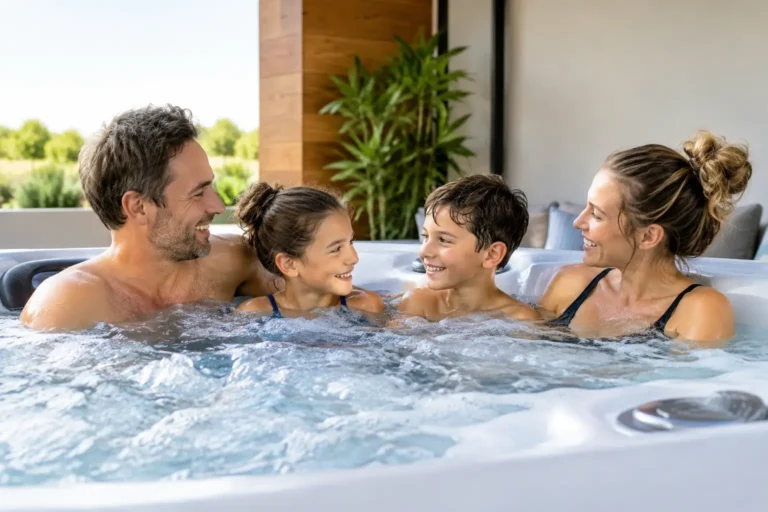
The first question is not, “Where will the spa fit?” It is, “How will our family use it?” A couple who wants nightly hydrotherapy may be best served by a compact model with deep, supportive seating and targeted massage jets. A household with children, teens, and frequent guests may need a larger spa with open seating, varied seat depths, and room for six or seven people without crowding.
Think about the moments you want to create. If the spa will be a place for conversation, prioritize comfortable lounge and upright seating arrangements that allow people to face one another. If recovery is the focus, look for dedicated therapy seats that support the neck, shoulders, back, calves, and feet. For active families, a swim spa may make more sense, pairing a current for exercise with room to relax afterward.
It also helps to be realistic about how many people will use the spa at the same time. A listed seating capacity is useful, but it does not always mean every seat will feel equally roomy for adults. Trying different seating configurations in a showroom can make the decision clearer, especially when family members have different heights and comfort preferences.
Choose the Location Before Choosing the Finishing Touches
A spa needs a stable, level base that can handle the filled weight of the unit, water, and occupants. In many backyards, a properly prepared concrete pad is the most straightforward solution. Other engineered foundations may work as well, but the support requirements should be confirmed before delivery.
Placement is about more than the view. Consider the path from the house to the spa on a cool evening, after dark, or when someone is carrying towels. A location near a back door can encourage frequent use, while a spa placed farther from the home may feel more private and retreat-like. Neither choice is automatically better. It depends on your backyard layout and how much convenience matters to your family.
Leave working clearance around the equipment side. Pumps, heaters, controls, and plumbing eventually need inspection or service, and a spa surrounded tightly by built-in walls or landscaping can turn a simple repair into a difficult project. If you are planning a deck, sunken installation, or custom surround, make service access part of the design from the beginning.
Privacy deserves the same attention. A fence, mature landscaping, decorative screen, pergola, or gazebo can make a spa feel more inviting without closing it in. In Anaheim and across Southern California, shade can be equally valuable. A thoughtfully placed cover, umbrella, or overhead structure can reduce direct sun exposure while preserving the open-air feeling that makes soaking outdoors so appealing.
Measure the Delivery Route Carefully
Before selecting a model, measure every point along the delivery route: gates, side yards, roof eaves, steps, turns, and overhead lines. The spa must travel from the street or driveway to its final location, often on its side.
A narrow side yard does not always rule out the spa you want. In some situations, a crane delivery can place the unit over a house, garage, or fence. That option requires planning, suitable access, and additional cost, but it can open up choices for homeowners with challenging lots. A professional site evaluation helps identify this early rather than on delivery day.
Plan Electrical Service and Water Care Up Front
Most portable hot tubs require a dedicated electrical circuit installed by a qualified, licensed electrician. The exact requirements vary by spa model, so the electrical plan should be based on the manufacturer’s specifications and local codes. A larger spa with more pumps and features may have different needs than a smaller model.
Do not treat electrical work as a last-minute detail. Coordinating it before delivery helps prevent delays and keeps the installation organized. Your electrician will also need a clear plan for the disconnect location, wire routing, and protection from the elements.
Water management matters too. A spa needs to be close enough to a hose for filling and positioned so that routine draining does not create problems for the yard, neighboring property, or drainage areas. Ask where water should be directed and how often the spa should be drained based on use and water-care habits.
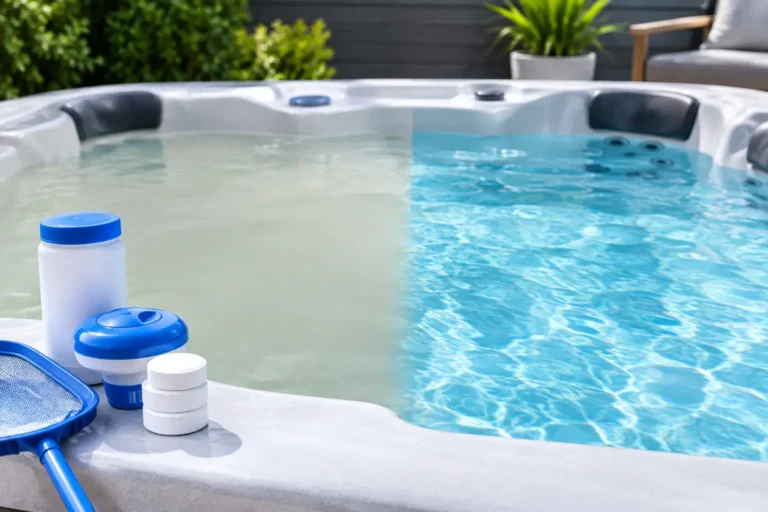
Modern water-care systems can reduce daily effort, but they do not eliminate ownership responsibilities. Families should expect to test water regularly, maintain sanitizer levels, clean filters, and keep the cover in good condition. This is manageable when the supplies are nearby and the routine is simple. Ongoing service can also be a practical choice for busy households that want professional support with water balance, seasonal care, and repairs.
Build Safety Into the Experience, Not Around It
A family spa should feel relaxing because safety has already been considered. A quality locking cover is essential for keeping out debris, retaining heat, and limiting unsupervised access. Keep the cover secured whenever the spa is not in use, particularly in homes with young children.
Establish a few household rules before the spa becomes part of the routine. Children should always be supervised, rough play should stay out of the water, and everyone should understand that wet surfaces require care. Temperature settings should be appropriate for the people using the spa, with extra caution for children, pregnant guests, older adults, and anyone with a medical condition. When in doubt, consult a healthcare professional.
Good lighting also makes a major difference. Path lights, step lighting, and gentle ambient illumination can make evening use safer without making the backyard feel overly bright. Non-slip materials around the spa, a nearby place for towels, and a clear route back to the house are small details that families appreciate every time they soak.
Design a Space That Encourages Everyone to Stay
The spa may be the centerpiece, but the area around it determines whether the backyard feels finished. A bench for towels, weather-resistant chairs for people who are not soaking, and a small side table for water can make the space more welcoming. If your family entertains often, consider how the spa zone connects to the patio, outdoor kitchen, grill, or dining area.
Avoid overbuilding the area just for appearance. A raised deck, elaborate stonework, or full enclosure can be beautiful, yet these additions add cost and may complicate future service. Start with the essentials: a proper foundation, safe access, shade or privacy where needed, and enough room to move comfortably. You can layer in furniture, landscaping, and decorative elements over time.
Energy efficiency should also influence the design. Keep the spa cover in good condition, minimize wind exposure when possible, and choose a model with quality insulation and an efficient circulation system. In Southern California, a spa can be enjoyed through much of the year, but thoughtful placement and equipment choices still help control operating costs.
Get Guidance That Continues After Delivery
A spa is a long-term lifestyle investment, not a one-day purchase. The strongest installation plan includes support for delivery coordination, startup questions, water care, repairs, and the seasonal details that come with ownership. Backyards In Style helps homeowners evaluate models, prepare their spaces, and care for premium spas long after installation.
The best family spa installation does not have to be the largest model or the most elaborate backyard project. It is the one that makes it easy for your household to step outside, put the day aside, and spend unhurried time together.