A wellness space should feel good long after the first session. When comparing a sauna versus steam room, the most meaningful difference is not simply how hot each one gets. It is how the heat feels on your body, how the space fits your property, and whether you will genuinely look forward to using it after a demanding workday, workout, or weekend spent outdoors.
For Southern California homeowners, a sauna is often the more straightforward path to a private backyard retreat. Still, a steam room has a distinct appeal for those who love humid heat and have the right indoor or fully enclosed installation environment. The better choice comes down to comfort, construction, maintenance expectations, and the lifestyle you want to create at home.
Sauna Versus Steam Room: The Core Difference
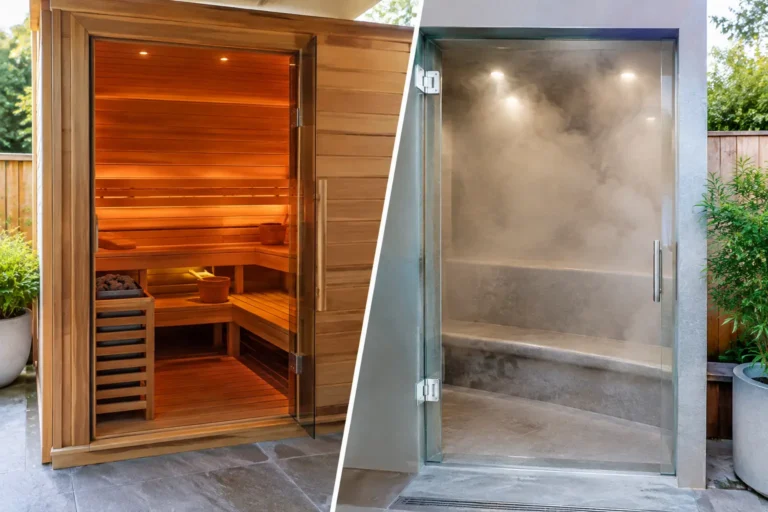
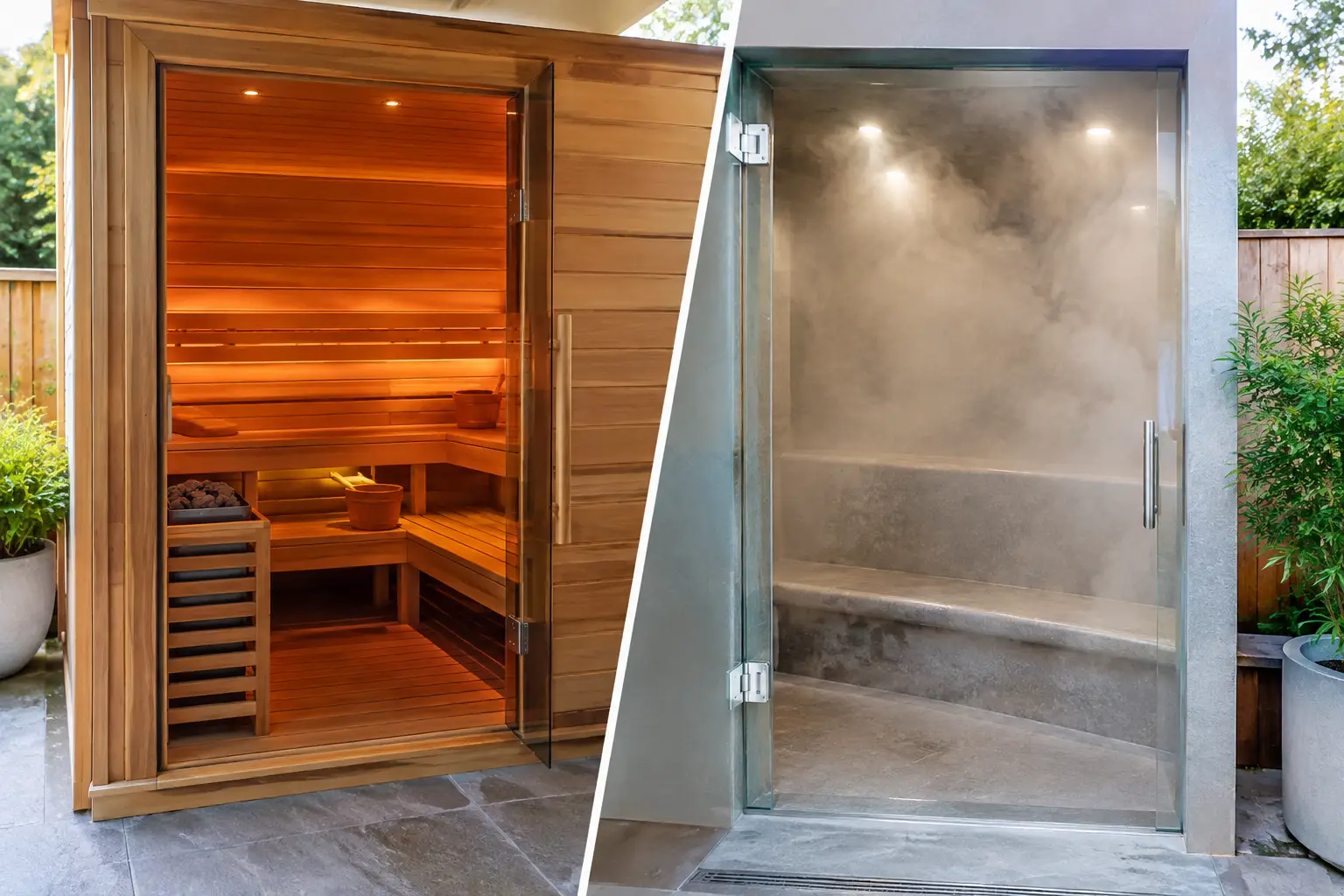
A traditional sauna uses dry heat, typically created by an electric heater with sauna stones. Water may be poured over the stones in small amounts for a brief burst of humidity, but the room remains relatively dry. Temperatures commonly range from about 150 to 195 degrees Fahrenheit, depending on the sauna type and personal preference.
A steam room uses a steam generator to fill a sealed room with moisture. Its temperature is generally lower, often around 110 to 120 degrees Fahrenheit, but humidity is close to 100 percent. That moisture changes the experience dramatically. A steam room can feel intensely warm at a lower temperature because sweat does not evaporate as readily from the skin.
Neither experience is automatically better. Some people find the dry, enveloping warmth of a sauna calming and easier to tolerate. Others prefer the moist air of a steam room, especially when they enjoy the sensation of humidity on their skin and airways.
How Each Heat Experience Feels
A sauna creates a clean, radiant heat that encourages a deep, steady sweat. Many owners enjoy sitting back on warm wood benches, stretching gently, reading, or simply taking a quiet break from screens and responsibilities. The lower humidity makes the heat feel more breathable for many people, even at higher temperatures.
Steam rooms feel softer in one sense and more intense in another. The air is thick with moisture, and visibility can be limited once the room fills with steam. For people who find dry air uncomfortable, steam can feel soothing. But the humid environment may feel restrictive to someone who prefers an open, airy heat experience.
Think about the conditions you naturally enjoy. If you like a dry desert-style warmth, a sauna may feel more inviting. If you gravitate toward a hot shower, a humid spa environment, or warm mist after exercise, a steam room may be more your speed.
Wellness Benefits: Similar Goals, Different Sensations
Both options can support a restorative routine. Heat may help the body relax after activity, ease the feeling of everyday muscle tightness, encourage circulation, and provide a quiet space for stress relief. For many homeowners, the most valuable benefit is consistency: having a dedicated place at home to slow down and recover.
A sauna can be an excellent complement to an active lifestyle, whether that means strength training, cycling, long walks, or time in a swim spa. Steam rooms are often appreciated after workouts as well, particularly by those who enjoy humid heat. Neither is a substitute for medical care, and anyone with a medical condition, pregnancy, cardiovascular concern, or sensitivity to heat should talk with a healthcare professional before beginning a heat routine.
Hydration matters with either choice. Keep sessions reasonable, listen to your body, and leave the room if you feel dizzy, nauseated, overly fatigued, or uncomfortable.
Installation: Why Saunas Often Suit Backyards Better
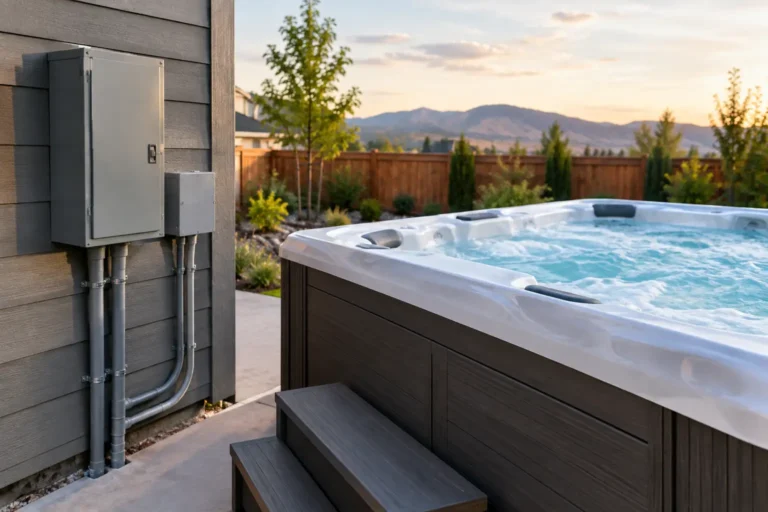
This is where the comparison becomes especially practical. A sauna is usually easier to incorporate into a Southern California backyard because many models are designed as self-contained units. Depending on the model and electrical requirements, installation may involve preparing a stable, level base, planning power access, and allowing for proper clearances and ventilation.
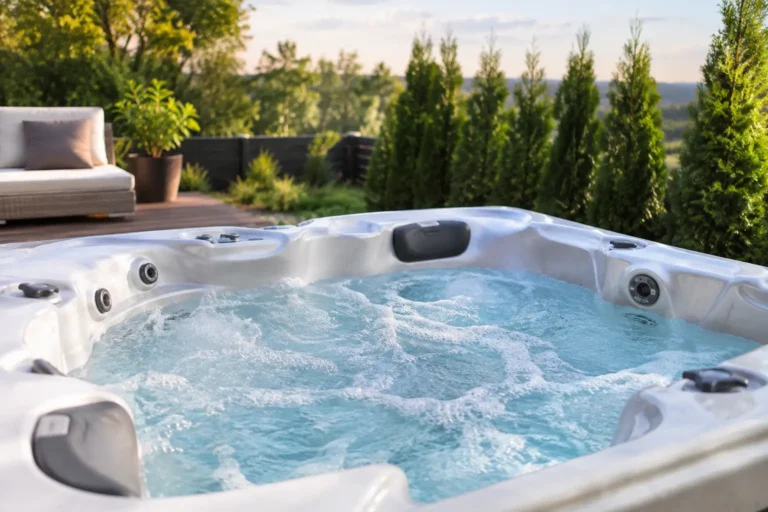
Outdoor saunas can become a natural part of a complete backyard wellness zone. Place one near a cold plunge for contrast therapy, beside a patio seating area for an easy cool-down, or close to a hot tub for a spa-inspired evening at home. The goal is not to crowd the yard with equipment. It is to create a comfortable flow from heat to rest, conversation, and fresh air.
A steam room is more construction-intensive. Because steam infiltrates surfaces so easily, the room must be fully waterproofed, correctly sloped for drainage, and carefully sealed. It requires a steam generator, water supply, electrical work, vapor-proof materials, and ventilation planning. Most steam rooms are built into bathrooms or dedicated indoor spa areas rather than installed as simple backyard additions.
An outdoor steam room is possible, but it demands thoughtful design, durable materials, and an experienced installation approach. In many homes, that makes it a larger remodeling project rather than a standalone purchase.
Maintenance and Long-Term Ownership
A sauna’s dry environment generally makes it simpler to maintain. After use, allow the room to air out, wipe down benches as needed, and keep the wood clean according to the manufacturer’s guidance. Regularly inspect the heater, stones, and door hardware. With sensible care, a quality sauna can remain a relaxing part of your home for years.
Steam rooms require more attention because moisture is present on nearly every surface. The room needs cleaning and drying practices that help prevent mildew, mineral buildup, and odor. The steam generator also needs periodic maintenance, particularly in areas with hard water. Tile, grout, seals, drains, and ventilation all deserve ongoing attention.
This does not make steam rooms a poor investment. It simply means their ownership experience is closer to caring for a wet-room bathroom than maintaining a wood-lined wellness cabin. If easy upkeep is a major priority, a sauna usually has the advantage.
Design and Lifestyle Fit
A sauna can be both a wellness feature and a visual centerpiece. Modern outdoor models can complement a polished patio, gazebo, pool area, or contemporary landscape. Inside, a compact sauna may turn an unused room into a personal recovery space without requiring a full bathroom renovation.
Steam rooms tend to blend into a home’s architecture. They are often finished in tile, stone, glass, and moisture-rated lighting, creating a resort-like feel. This can be a beautiful choice for homeowners already renovating a primary bath or building a custom wellness suite. It may be less practical if you want a faster project with fewer construction variables.
Consider who will use the space, too. A sauna can be an easy shared ritual for couples, families with adult children, or friends enjoying a backyard evening. A steam room can offer the same connection, but its enclosed, humid setting is more specific in feel. The best choice is the one your household will use regularly, not the one that sounds most impressive on paper.
Which One Should You Choose?
Choose a sauna if you want dry heat, a simpler path to an outdoor installation, lower day-to-day maintenance, and a flexible addition to a backyard wellness area. It is especially appealing for homeowners who want a distinct destination just steps from the house.
Choose a steam room if you strongly prefer humid heat and are prepared for a more involved build, particularly as part of a bathroom remodel or custom indoor retreat. Its spa-like atmosphere can be exceptional when the room is designed and maintained correctly.
There is also no rule that says your wellness routine needs to rely on just one experience. A thoughtfully planned backyard may include a sauna for heat sessions, a cold plunge for refreshing contrast, and comfortable seating where recovery turns into unhurried time with the people you enjoy.
Before making a decision, spend time sitting in both environments if possible. Notice your breathing, comfort level, and how quickly you can imagine making the experience part of your weekly routine. A welcoming showroom conversation with the team at Backyards In Style can help translate those preferences into a sauna, layout, and installation plan that feels right for your home. The best retreat is not the hottest or most elaborate one – it is the one that gives you a reason to step outside, slow down, and invest in yourself.