A sauna is no longer reserved for a gym, luxury resort, or a spare room indoors. The most meaningful sauna trends are bringing heat therapy into the backyard as part of a daily wellness routine – often alongside a hot tub, cold plunge, comfortable seating, and a little privacy. For Southern California homeowners, that shift makes sense: an outdoor sauna can turn a few unused feet of patio or side yard into a destination for recovery, quiet time, and connection.
The best trend is not necessarily the one with the most features. It is the one that fits how you want to use your backyard, how much space you have, and what ownership will look like after installation. Here is what is shaping sauna buying decisions right now.
Sauna Trends That Put Wellness Within Reach
Compact saunas with a purposeful footprint
Homeowners are looking for wellness upgrades that feel substantial without taking over the yard. Compact two- and three-person sauna cabins are especially appealing for couples, professionals, and families who want a dedicated place to unwind but still need room for a patio set, grill, or play space.
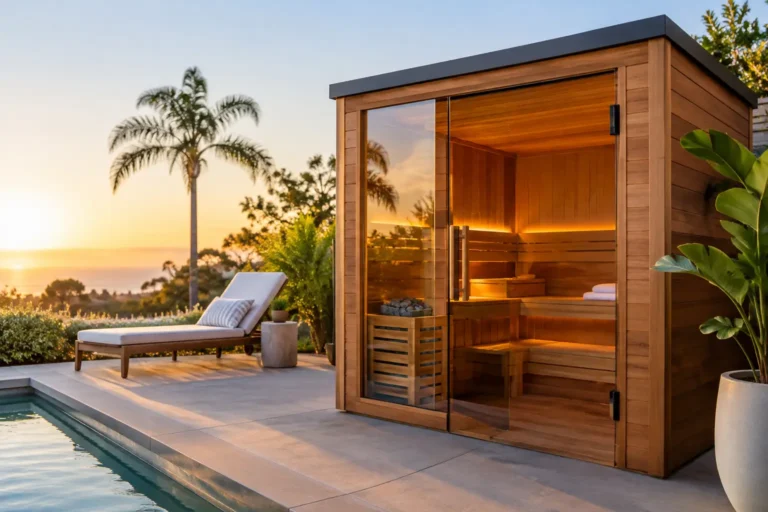
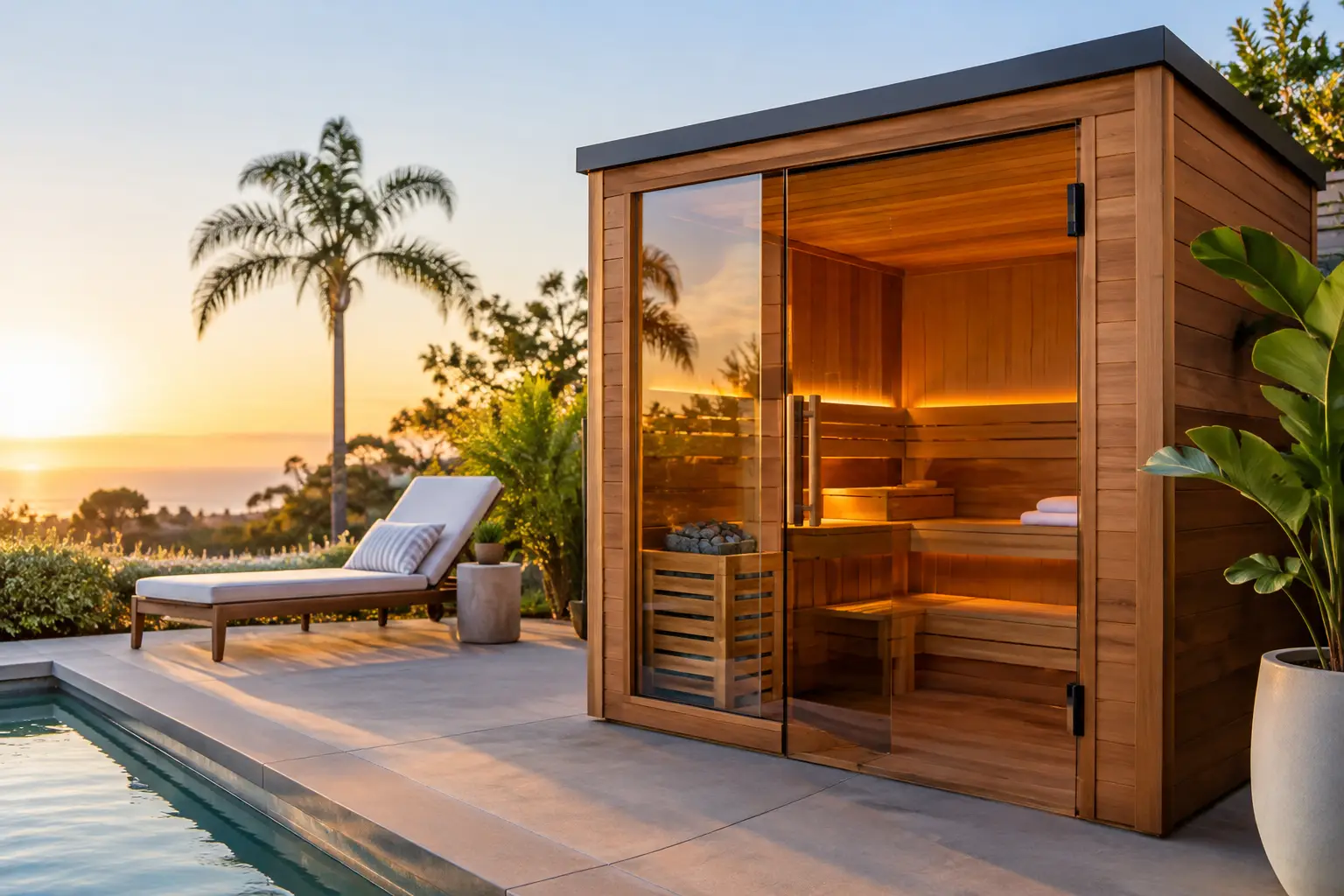
A smaller sauna does not have to feel like a compromise. Thoughtful bench layouts, glass doors, warm lighting, and natural wood interiors can make a compact model feel inviting. The practical advantage is placement: a modest footprint can often work near a pool, beside a covered patio, or at the edge of a landscaped yard.
The trade-off is capacity. If your vision includes hosting friends or building a shared post-workout ritual with several family members, a larger cabin may be a better long-term fit. It helps to consider not only who will use the sauna most often, but who you would like to invite in two or three years from now.
Infrared and traditional heat for different routines
Infrared saunas continue to attract homeowners who want a gentler-feeling heat experience, quick warm-up times, and straightforward daily use. Many people appreciate being able to step into an infrared sauna after work, following a workout, or before bed without planning a long session around it.
Traditional saunas remain equally relevant, particularly for buyers who enjoy higher air temperatures, the ritual of heated stones, and a more classic sauna atmosphere. A traditional model can feel especially at home in an outdoor retreat, where the walk from sauna to cool evening air becomes part of the experience.
Neither approach is automatically better. Infrared may suit a frequent, shorter personal routine. Traditional heat may appeal to those who value the sensory experience and want to share it with family or guests. Your preferred temperature, available electrical setup, desired warm-up time, and installation location should all shape the choice.
The rise of contrast therapy zones
One of the most visible sauna trends is the pairing of heat with cold water. A sauna and cold plunge create a contrast-therapy area that makes a backyard feel like a private wellness club. Homeowners are using these spaces after strength training, long workdays, weekend hikes, and recreational sports, or simply as a refreshing reset.
The appeal is partly practical. A cold plunge gives the space another purpose, while a sauna provides a comfortable place to warm up afterward. Together, they encourage a more intentional routine than either product alone.
That said, contrast therapy is not a requirement for enjoying a sauna. It adds equipment, water care considerations, and space needs. For some homes, starting with the sauna and leaving room for a future cold plunge is the smarter approach. People with health concerns should also speak with a qualified healthcare professional before making heat or cold exposure part of their routine.
Backyard Sauna Design Is Becoming More Intentional
Privacy matters as much as the sauna itself
A well-designed sauna area should feel easy to use, not exposed or inconvenient. Southern California yards often benefit from privacy screens, fencing, mature planting, pergolas, or a strategic corner location that creates separation from neighbors and the street.
This does not mean closing the space off completely. Many homeowners want a view of the garden, pool, or evening sky. Glass elements and thoughtful landscaping can preserve that open feeling while maintaining privacy where it matters. The goal is to create a place that invites you out after sunset, not one you only use when the yard is empty.
Sauna areas are becoming social spaces
The old image of a sauna tucked away in a basement is giving way to a more welcoming outdoor setting. A pair of lounge chairs, towel storage, soft lighting, a water station, and a nearby fire feature can turn a simple sauna installation into a place where people linger.
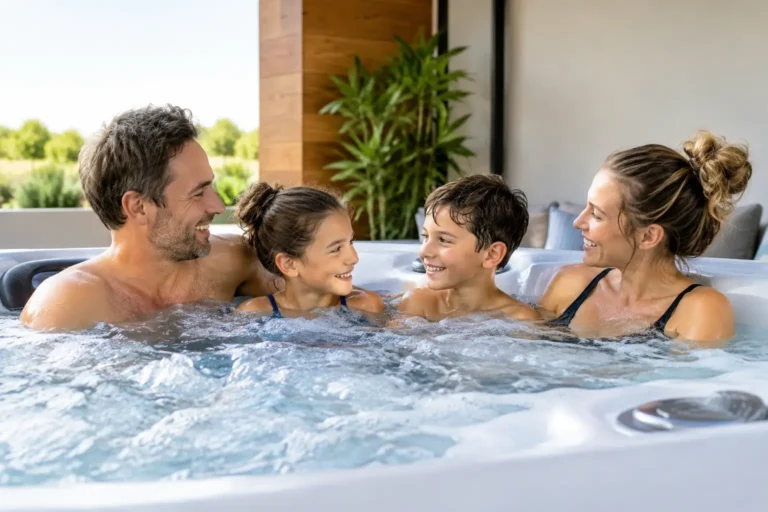
This is especially useful for households that already use their backyard for entertaining. A sauna can complement a hot tub, swim spa, outdoor kitchen, or pool without needing to be the center of every gathering. It becomes one more reason the backyard works in every season, whether friends are visiting or the family is taking a quieter night at home.
Natural materials with lower-maintenance surroundings
Warm wood remains central to sauna design because it feels timeless and calming. Around the sauna, however, many homeowners are choosing surfaces that are easier to maintain and safer under wet feet. Pavers, textured stone, composite decking, and durable porcelain tile can provide a polished path from the house to the sauna.
Good lighting deserves attention here. Low-glare pathway lights, step lights, and controlled overhead lighting help make evening sessions more comfortable and safer. Avoid treating lighting as an afterthought. If a sauna is difficult to reach or poorly lit at night, it is less likely to become part of your routine.
What to Consider Before Following Sauna Trends
The trendiest sauna will not deliver much value if installation details were overlooked. Start with the basics: location, electrical requirements, access for delivery, surface preparation, ventilation needs, and local permitting or HOA considerations. Outdoor placement should also account for drainage, weather exposure, and a clear route from the house.
In Southern California, sun exposure is a major planning factor. A location with some shade can make the approach to the sauna more comfortable during warmer months, while a properly designed outdoor setting can still support year-round use. Consider where rainwater will go, where towels will be stored, and whether you want a rinse-off area nearby.
Budget is another place to think beyond the initial purchase. The total project may include electrical work, site preparation, privacy features, landscaping, and accessories. Planning these elements early can help you avoid a finished sauna that feels disconnected from the rest of the backyard.
It is also worth considering service and support. A sauna is a long-term home investment, so product quality, clear installation guidance, and knowledgeable local help matter. At Backyards In Style, homeowners can explore how a sauna may fit into a larger backyard wellness plan, rather than trying to piece together separate purchases on their own.
Choose the Sauna That Supports Your Actual Life
The strongest sauna trend is not a particular heater, wood finish, or social media-ready setup. It is the move toward making wellness more convenient at home. When a sauna is close by, comfortable to access, and designed around your habits, it is easier to use consistently.
Before selecting a model, picture an ordinary Tuesday evening. Will you use the sauna alone after work? Will your partner join you? Do you want a heat-and-cold routine after a workout, or a relaxing place to sit before dinner outdoors? Those answers will guide you toward the right size, heat style, location, and supporting features.
A thoughtfully planned sauna does more than update a backyard. It gives you a reason to step outside, slow down, and make room for restoration in the rhythm of everyday life.