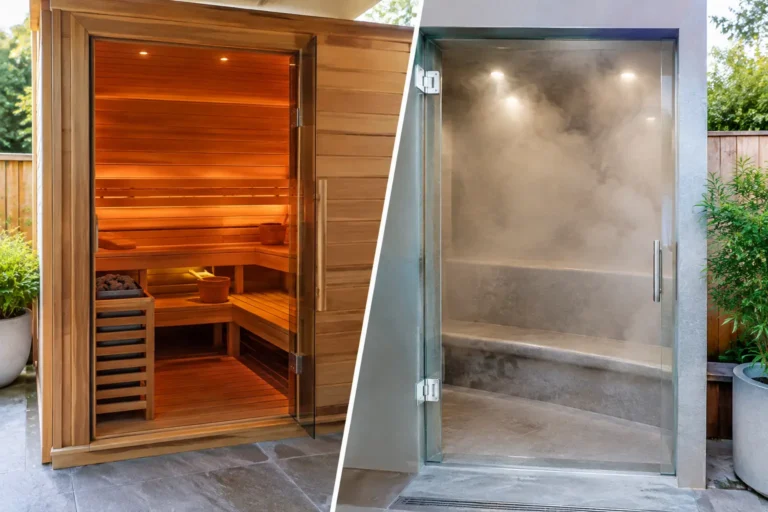
A sauna session should leave you feeling clear-headed, relaxed, and comfortably warm – not depleted, dizzy, or pressured to stay longer than feels right. Whether your sauna is part of a complete backyard wellness space or a quiet indoor escape, learning how to use sauna safely helps you make the most of every session while respecting your body’s limits.
For many Southern California homeowners, a sauna becomes a welcome pause between work, family schedules, fitness, and entertaining. The best routine is not necessarily the hottest or longest one. It is the routine you can enjoy consistently, comfortably, and with confidence.
Start With a Comfortable Temperature and Time
Heat tolerance varies widely. Someone who uses a sauna several times a week may enjoy conditions that feel overwhelming to a first-time user. Start conservatively, especially with a new sauna or a new wellness routine.
For a traditional dry sauna, many people are comfortable in the 150 to 175 degree Fahrenheit range. Infrared saunas commonly operate at lower air temperatures, often around 110 to 150 degrees, while still creating a deep, gradual warmth. The right setting depends on the sauna style, your experience level, and how you feel that day.
A first session can be as brief as 5 to 10 minutes. Once you know how your body responds, many healthy adults enjoy sessions of 15 to 20 minutes. Longer is not automatically better. If you feel lightheaded, nauseated, unusually tired, short of breath, or uncomfortable in any way, leave the sauna right away and cool down.
Avoid treating a sauna session as an endurance test. The goal is restoration, not proving how much heat you can handle.
Hydration Is Part of How to Use Sauna Safely
Sweating is a normal response to heat, but it also means fluid loss. Begin your session well hydrated by drinking water throughout the day. Have a glass before entering, and keep water nearby for when you finish.
After a sauna session, replenish fluids gradually. If you have exercised heavily, spent time outside in warm weather, or sweat heavily in the sauna, an electrolyte drink may be useful as well. Alcohol is a poor companion to sauna use because it can contribute to dehydration, impair judgment, and make it harder to notice warning signs from your body.
It also helps to avoid a heavy meal immediately before entering. A light snack is generally more comfortable if you are hungry. Give your body time to digest a large meal before adding intense heat.
Prepare Before You Step Inside
A simple pre-sauna routine makes the experience more enjoyable and helps protect the sauna itself. Shower first to remove sunscreen, lotions, oils, and perspiration. Dry off before entering, particularly if you are using a traditional wood bench, and sit on a clean towel for comfort and cleanliness.
Remove jewelry, watches, and metal accessories. They can become surprisingly hot against the skin. Leave your phone outside, too. Beyond protecting the device from heat and humidity, it gives you a few uninterrupted minutes to truly relax.
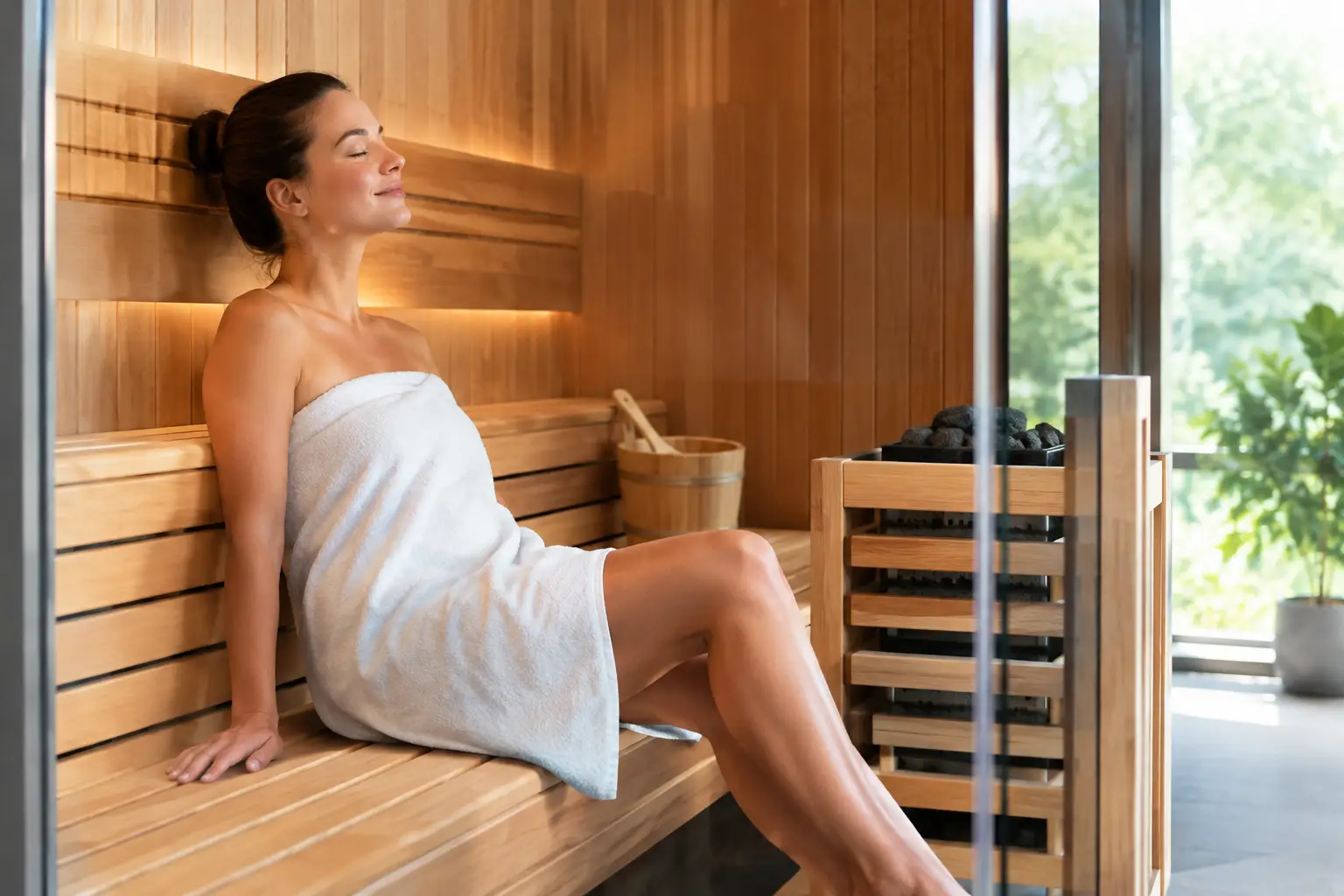
Wear what feels appropriate for your household and sauna design. A towel, lightweight clothing, or a swimsuit can all work well. Avoid restrictive fabrics and anything with metal hardware. If you are sharing the sauna with family or guests, clear expectations around attire, towels, and session length make the space feel more welcoming for everyone.
Listen to Your Body, Not the Clock
A timer is helpful, but your physical cues matter more. Pay attention to your breathing, heart rate, and overall comfort from the moment you enter. It is normal to feel warm and perspire. It is not a sign of success to feel faint or disoriented.
Leave immediately if you experience dizziness, weakness, a headache, nausea, chest discomfort, confusion, or an unusually rapid heartbeat. Sit or lie down in a cool, well-ventilated area, sip water, and give yourself time to recover. If symptoms are severe, persistent, or concerning, seek medical care.
People sometimes push through discomfort because a spouse, friend, or more experienced sauna user is still enjoying the heat. Sauna use is personal. Your ideal session may be 8 minutes while someone else prefers 18, and both can be perfectly reasonable.
Cool Down Gradually After Each Session
The transition out of the sauna deserves as much care as the time inside. Step out slowly, sit for a minute if needed, and let your breathing settle. A lukewarm or cool shower can feel refreshing, but ice-cold exposure immediately after high heat is not right for everyone.
If you enjoy pairing a sauna with a cold plunge, build into that practice gradually. The contrast can feel invigorating, yet it also places additional demands on your cardiovascular system. Start with moderate cooling, short exposures, and plenty of recovery time. People with heart conditions, circulation concerns, uncontrolled blood pressure, or a history of fainting should speak with a healthcare professional before trying heat-and-cold contrast therapy.
After cooling down, rest, rehydrate, and avoid jumping straight into strenuous activity. Give yourself 10 to 15 minutes before driving, cooking over a hot grill, or taking on another task that requires full attention.
When to Talk With Your Healthcare Provider
Saunas can be a comfortable part of a healthy lifestyle for many adults, but they are not appropriate for every person or every circumstance. Check with your healthcare provider before using a sauna if you are pregnant, have heart disease, unstable blood pressure, kidney disease, a history of heat illness, or another condition affected by heat or dehydration.
The same guidance applies if you take medications that affect blood pressure, sweating, hydration, alertness, or heart rate. This is not about giving up your backyard wellness routine. It is about getting personal guidance that allows you to use it with greater peace of mind.
Children require extra caution. Their bodies regulate temperature differently than adults, and they can overheat more quickly. Follow your sauna manufacturer’s age guidance and never leave a child unattended in or near the sauna. Older adults may also need shorter sessions, lower temperatures, and additional attention to hydration, particularly if they take prescription medications.
Create a Safer Sauna Space at Home
Good ownership habits support a better session every time. Keep the sauna clean, dry, and well maintained according to the manufacturer’s instructions. Check that benches are secure, the floor is clear, lighting is adequate, and the door opens easily from the inside. A non-slip mat outside the sauna can be especially helpful when wet feet meet smooth flooring.
If your sauna is outdoors, consider the path between the house, sauna, shower, and seating area. Thoughtful lighting, stable walking surfaces, and a nearby place to set down water and towels make nighttime use more comfortable. These details matter when you are creating a backyard retreat meant for year-round restoration.
At Backyards In Style, homeowners often ask how to blend sauna use with hot tubs, cold plunges, and outdoor living areas. The answer starts with a layout that makes wellness feel easy rather than complicated: a comfortable place to cool down, water within reach, good lighting, and equipment selected for the way your household actually lives.
A Simple Session That Works for Most Beginners
For a calm starting point, drink water, shower, and enter at a moderate temperature for 5 to 10 minutes. Step out, cool down gradually, and rest for several minutes. If you feel good, you may choose one more short round. Finish with water, a light stretch, and a little unhurried time to enjoy the relaxed feeling.
As your comfort grows, you can adjust temperature and timing slowly. The best sauna habit is one that fits naturally into your week – after a workout, at the end of a demanding day, or before settling into a quiet evening at home. Leave the sauna feeling better than when you entered, and your home retreat will keep earning its place in your routine.