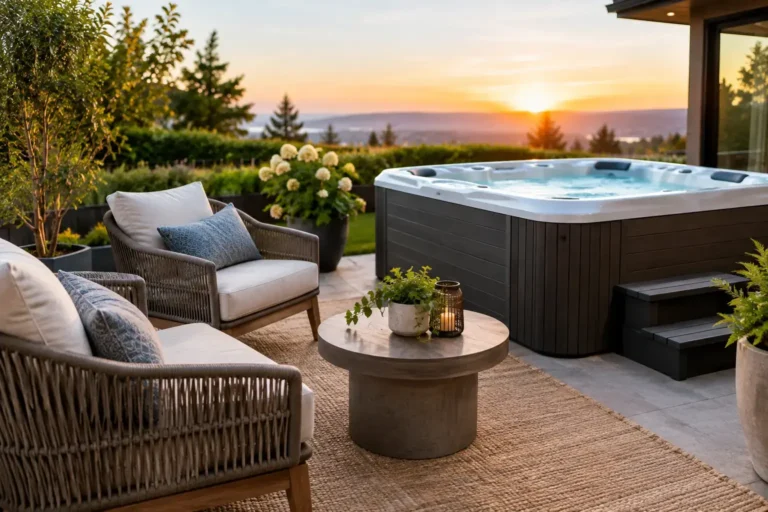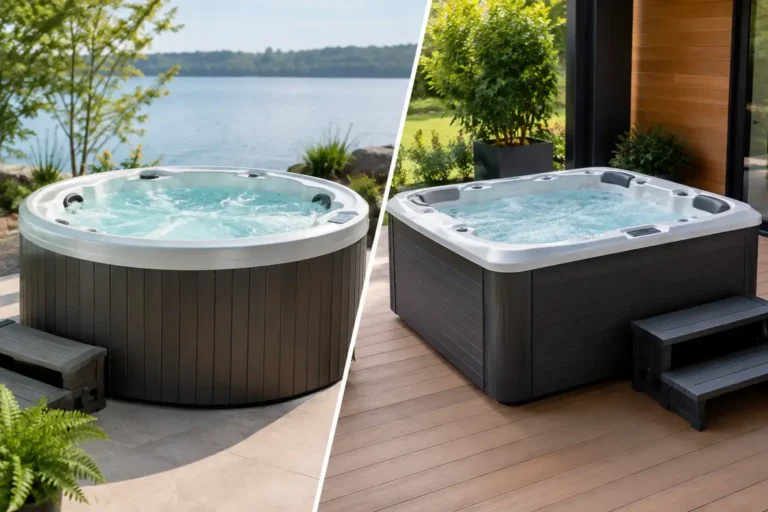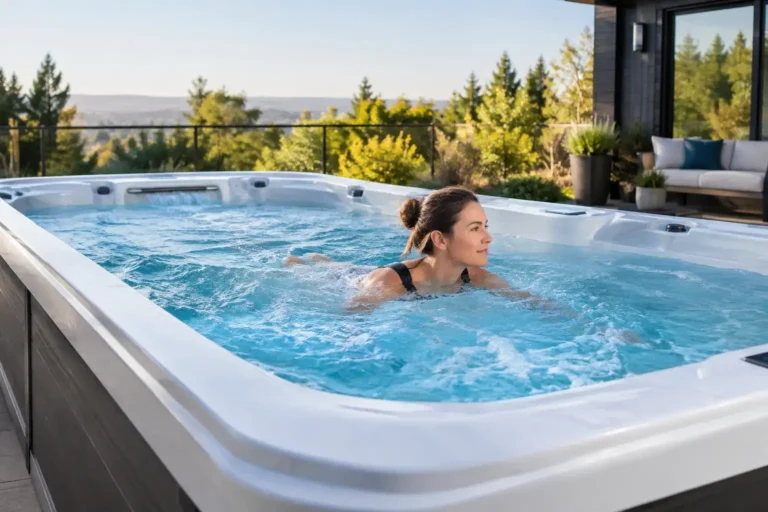
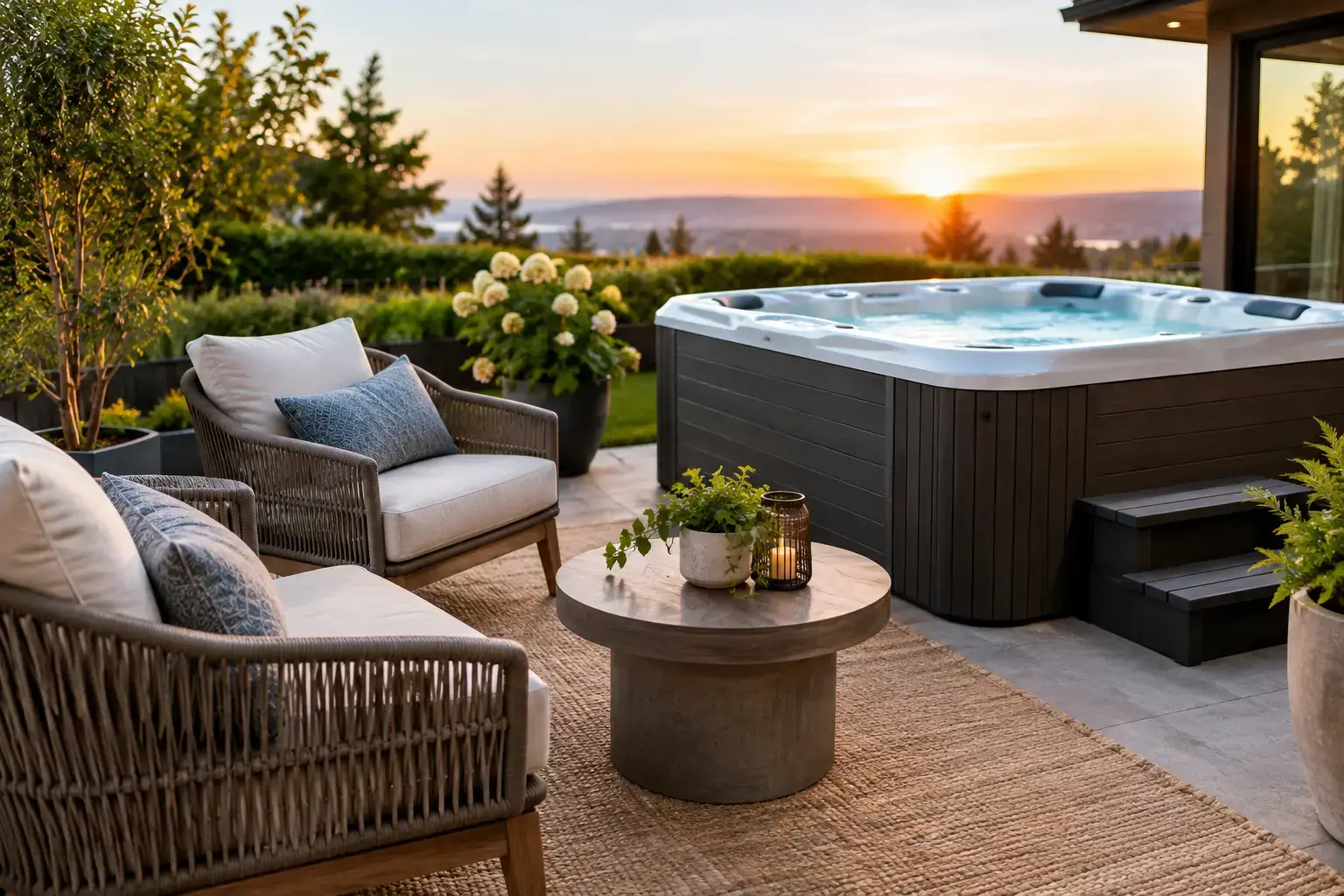
A spa can have beautiful cabinetry, powerful jets, and room for six people on paper, yet still feel like the wrong fit if the seats do not suit the people using it. The best answer to how to choose spa seating starts with a simple question: what should your time in the water feel like? Quiet recovery after work, a place for the family to gather, targeted relief for sore muscles, or a mix of all three will lead you toward a different seating layout.
For Southern California homeowners, a hot tub often becomes part of the everyday backyard routine rather than an occasional winter luxury. Choosing the right mix of seats helps make that investment comfortable, useful, and inviting year-round.
Start with how your household will use the spa
Seat count matters, but it is not the same as comfort. A model listed as a six-person spa may be perfect for two adults stretching out with plenty of room, a family of four, or a group of friends enjoying an evening together. Those are three very different experiences.
Think about the people who will use the spa most often. If it will mainly be you and a partner, prioritize your favorite therapy positions over maximum capacity. A larger spa with several upright seats and a full-body lounge may offer more variety than you need, while a compact model with two exceptional deep therapy seats could be exactly right.
For families, consider whether children will be in the spa regularly and how they will enter, sit, and move around. A layout with different seat depths gives adults a comfortable place to soak while allowing shorter users to sit securely. If entertaining is a priority, open footwells and conversation-friendly seating often feel more natural than a spa designed around one person reclining in a lounge.
It also helps to picture a normal week, not just a holiday gathering. Choose for the way you will truly use the spa most of the time, then make sure it can accommodate guests when the occasion calls for it.
How to choose spa seating by seat style
Most premium spas combine several seating types. The goal is not to find every possible configuration. It is to find the right balance for your body, wellness goals, and backyard lifestyle.
Upright therapy seats
Upright seats are the most versatile choice in many hot tubs. They keep you engaged in conversation, make it easy to move from seat to seat, and can place jets at the back, shoulders, hips, calves, or feet. These seats are especially practical for households with multiple users because they accommodate a range of heights more easily than a single molded lounge.
Look beyond the total number of jets. Their placement matters more. A seat with jets aligned to your lower back may be far more beneficial after long days at a desk than a higher-powered seat that misses the areas where you carry tension. If hydrotherapy is a major reason for your purchase, try each therapy seat and notice where the water lands when you are fully settled into the shell.
Lounges and reclined seats
A lounge seat supports the body from shoulders to feet, often with dedicated calf and foot jets. For someone seeking a quiet, full-body reset, it can be the seat they use every day. It is also visually appealing and can make a spa feel especially personal and restorative.
The trade-off is that a lounge takes up considerable space. In a smaller spa, it may reduce the number of upright seats available for family and guests. Some people also float or feel less secure in a lounge, particularly if they are shorter or lighter. Wet testing is the only reliable way to know whether the contour, depth, and jet placement work for you.
Deep seats and cool-down seats
Deep seats are often preferred by taller adults and those who enjoy soaking with water closer to the shoulders. They can create a more immersive experience and may be a favorite after exercise or a long day. A spa with at least one deeper seat and one more moderate-depth seat usually serves a wider range of users.
A cool-down seat, sometimes called a barrier-free or elevated seat, sits closer to the waterline. It gives bathers a place to ease into the water, cool off without leaving the spa, or supervise children more comfortably. It may not be a primary hydrotherapy seat, but it can be one of the most useful features in a family-oriented layout.
The footwell
Do not overlook the footwell when comparing spa seating. In an open design, bathers can stretch out and share the center space more easily. A contoured footwell may provide dedicated foot jets and a more defined therapy station. Neither is automatically better.
If your spa will host conversation and casual entertaining, test whether several people can place their feet comfortably without crowding one another. If recovery and massage are the priority, assess whether the foot jets reach the soles and arches at a comfortable intensity.
Fit matters more than a seating diagram
A showroom seat test can tell you a great deal before delivery day. Sit in every position you expect to use. Notice whether your feet naturally stay on the floor, whether your knees feel cramped, and whether the shell supports your back without forcing your posture. Check arm placement, headrests, and the ease of moving between seats.
Then, whenever possible, wet test the spa. Water changes everything. Buoyancy can make a seat that felt perfect when dry feel too shallow, and it reveals whether you float away from a lounge or feel securely positioned. A wet test also lets you experience jet pressure at the same water level and body position you will have at home.
Bring the people who will use the spa most. One person may love a deep captain’s chair while another needs a shallower seat to feel comfortable. This is why a varied configuration is often more valuable than several nearly identical seats.
Match seating to your wellness priorities
Spa seating should support the outcome you want, whether that is relief, recovery, connection, or all three. For muscle tension and everyday aches, choose seats with focused jets that reach your most common trouble areas. A professional who spends hours seated may value lower-back and neck therapy, while an active homeowner may focus on calves, feet, and hamstrings.
For stress relief, think about the overall sensation rather than the strongest jet count. A comfortable reclined position, supportive headrest, and adjustable flow can turn a short evening soak into a meaningful routine. Strong therapy is valuable, but it should be easy to reduce intensity when you want a gentler experience.
For family time and entertaining, prioritize clear sightlines, easy entry, and upright seating that supports conversation. A spa should not make guests feel like they are competing for one good seat. Multiple comfortable positions encourage people to stay, talk, and enjoy the backyard together.
Consider your backyard layout and access
The seating configuration influences the spa’s overall size and shape, which affects where it fits in your outdoor space. Before falling in love with a particular layout, account for the path from the street to the installation location, the required foundation, electrical planning, cover clearance, and service access.
Think about the view from the best seats as well. The most restorative position may face a garden, outdoor fireplace, or a quieter corner of the yard. If the spa is near a patio dining area or outdoor kitchen, an open side may make it easier for guests to enter and interact with the group.
Sun exposure is another practical consideration in Anaheim and across Southern California. Shade structures, umbrellas, gazebos, and thoughtful placement can make daytime use more comfortable while preserving the warmth and atmosphere of evening soaks. A well-planned spa area feels like a destination, not an appliance placed in an empty corner.
Choose a layout you can enjoy for years
The right spa seating is not about selecting the model with the most positions or the most dramatic-looking lounge. It is about finding a layout that welcomes the people you love, supports the way your body feels best, and fits naturally into the life you want to build at home.
At Backyards In Style, a showroom conversation and seat test can help turn those preferences into a clear choice. Take your time in the seats, ask how each therapy zone works, and picture the first ordinary Tuesday night when you step outside for 20 quiet minutes. That is the moment your spa should be designed to serve.