A hot tub can change how a backyard feels on an ordinary Tuesday night. The right model becomes a place to loosen sore muscles after work, spend screen-free time with family, or enjoy a quiet soak under the Southern California sky. Hot tub prices vary widely, though, because a spa is not a one-size-fits-all purchase. Size, construction, hydrotherapy features, energy efficiency, installation requirements, and long-term support all shape the real cost.
For most homeowners, the better question is not simply, “What is the least expensive hot tub?” It is, “What will deliver the comfort, reliability, and ownership experience I want for years?” A clear budget makes that decision much easier.
What Do Hot Tub Prices Typically Include?
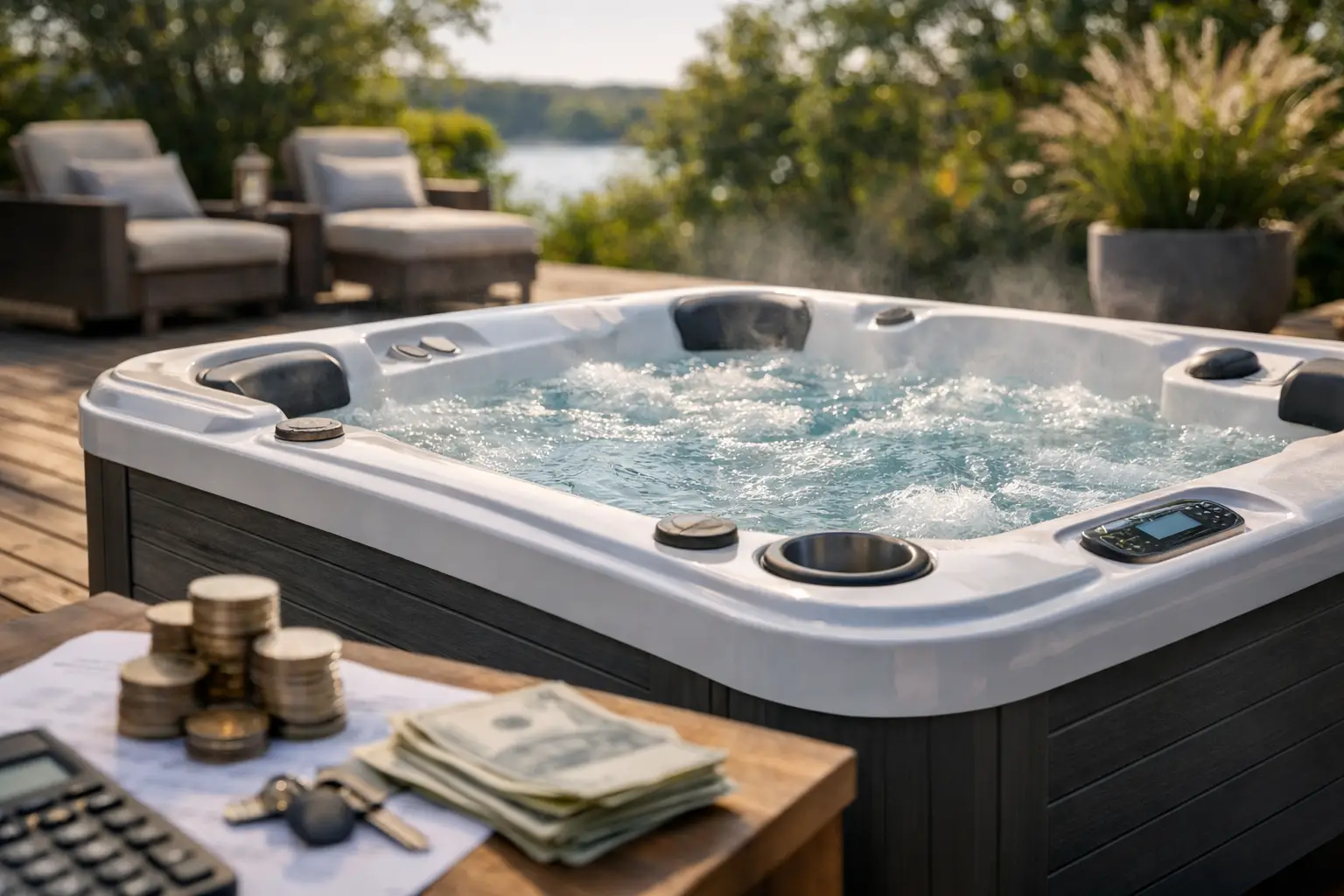
A quality portable hot tub generally falls into several price ranges. Smaller entry-level models may begin around $5,000 to $8,000, while well-equipped family spas often land between $9,000 and $15,000. Premium models with advanced hydrotherapy, refined cabinetry, upgraded controls, and larger seating layouts can range from $16,000 to $25,000 or more.
Those ranges are useful starting points, not final quotes. The same model may be priced differently based on available features, delivery conditions, promotional offers, and whether the package includes essentials such as a cover, steps, water-care products, or upgraded electrical preparation. A showroom consultation helps turn a broad range into a realistic investment for your home.
The purchase price should also reflect more than the shell and jets. Established spa manufacturers build their products with insulation, durable components, dependable plumbing, filtration systems, and cabinets designed to handle outdoor exposure. Those details may not be the first thing you notice in a showroom, but they have a meaningful effect on efficiency, comfort, and service needs over time.
Hot Tub Price Ranges by Type and Size
The size of the spa is one of the most visible price factors. It affects the shell, cabinet, water capacity, number of jets, pump configuration, and the type of experience the spa can provide.
Compact two- to three-person hot tubs
Compact spas are a strong fit for couples, empty nesters, and homeowners working with a smaller patio or side-yard space. They often offer two lounge or upright seats, targeted jets, and a lower overall footprint. A smaller hot tub can be less expensive to purchase and heat, but it should still have the seating comfort and therapy features you want. Choosing a spa that feels cramped simply to save money can lead to regret quickly.
Family-size four- to six-person spas
This category is where many homeowners find the best balance of price, versatility, and comfort. A four- to six-person spa can support daily hydrotherapy while leaving room for kids, guests, or a relaxed evening with friends. Pricing rises with features such as a full-body lounge, specialized therapy seats, additional pumps, premium lighting, and more sophisticated water care.
For many Southern California households, this is the sweet spot: large enough for connection and entertaining, without taking over the entire backyard.
Large entertaining hot tubs
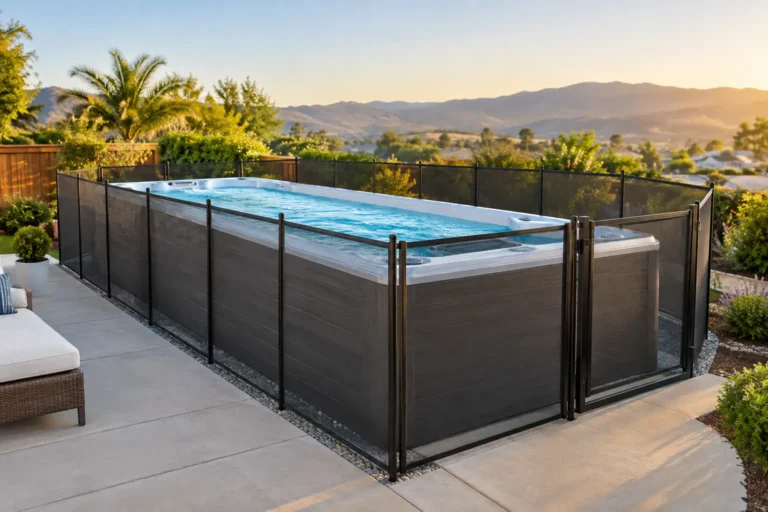
Seven-person and larger hot tubs are designed for households that regularly host family and friends or want generous space to stretch out. They may include multiple therapy zones, deep bucket seats, captain’s chairs, and a larger jet count. The initial investment, delivery planning, electrical load, and ongoing heating needs are higher, but the payoff is a true gathering place that can be used throughout the year.
Why One Spa Costs More Than Another
Jet count is often used as a quick comparison, but it does not tell the full story. More jets do not automatically create better hydrotherapy. Jet placement, pump power, adjustability, and the shape of each seat matter far more than a large number printed on a brochure.
A premium spa is usually priced around the complete comfort system. Look for seats that fit different body types, jets that target the neck, shoulders, back, legs, and feet, and controls that make it easy to personalize the experience. A well-designed lounge may be ideal for one person, while another homeowner may prefer all upright seating so several adults can enjoy the spa together. That difference is personal, and it is worth testing in person.
Construction also has a major role in hot tub prices. High-quality shells, supported bases, strong cabinets, sealed equipment areas, and full-foam or multi-density insulation help a spa perform through years of use. In Anaheim and across Southern California, warm days do not eliminate energy considerations. Cool evenings, winter use, and frequent heating cycles still make insulation and a well-fitting cover valuable.
Technology can add cost, too. Options may include integrated water-care systems, Wi-Fi controls, lighting packages, audio features, circulation pumps, and upgraded filtration. Some features are lifestyle extras; others can simplify care and support a cleaner, more consistent soaking experience. The right choice depends on how often you expect to use the spa and how hands-on you want to be with maintenance.
Budget for Installation, Not Just the Hot Tub
A realistic hot tub budget includes preparing the space. Delivery and installation costs depend on access to the backyard, the surface where the spa will sit, local electrical requirements, and whether equipment is needed to move the spa into position.
A hot tub needs a level, structurally sound base. This may be an existing reinforced concrete pad, a new concrete pad, pavers installed over an appropriate foundation, or a properly engineered deck. The spa must be supported when filled with water and occupied, which can mean several thousand pounds. A beautiful patio is not always automatically ready for that load.
Most quality portable hot tubs also require a dedicated electrical circuit installed by a qualified electrician. Electrical work can range from straightforward to more involved depending on the distance from the home’s panel, available capacity, trenching needs, and permit requirements. Ask for guidance early, before delivery is scheduled, so the project stays on track.
Backyard access matters just as much. A clear side yard may allow for a standard delivery, while a narrow gate, elevation change, or obstacle can require a crane. None of these factors should discourage you from planning a spa. They simply need to be assessed before purchase, rather than discovered on delivery day.
The Ongoing Cost of Owning a Hot Tub
The monthly cost of a hot tub depends on the model, local utility rates, weather, set temperature, frequency of use, and how consistently the cover stays in place. A well-insulated spa with a quality cover is generally more economical to maintain than a poorly insulated model that loses heat quickly.
Water care is another regular expense. Expect to budget for sanitizer, balancing chemicals, test supplies, filters, and periodic drain-and-refill service. Some owners enjoy handling these tasks themselves. Others prefer scheduled professional service for confidence and convenience, especially when their spa is used often or serves as part of a larger outdoor retreat.
It is also wise to consider the value of local support. A lower initial price may not feel like a bargain if parts, repairs, answers, or routine service are difficult to access later. Buying from a dealership that can help with delivery guidance, water care, maintenance, and repair creates a more dependable ownership path.
How to Choose the Right Budget for Your Backyard
Start with the experience you want to create. If your priority is personal recovery after workouts or long workdays, a smaller spa with exceptional therapy seating may be a better investment than a larger model with basic jets. If family time and entertaining are the goal, prioritize usable seating, easy entry and exit, and room for the people you expect to welcome most often.
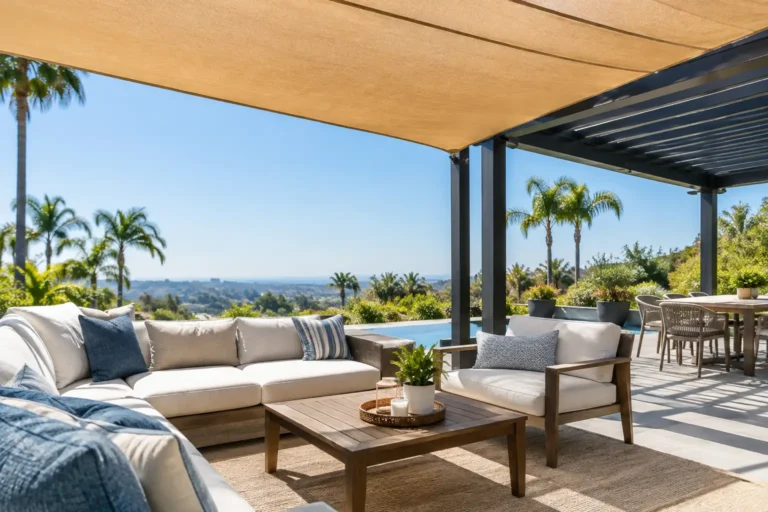
Then consider the backyard as a whole. A hot tub may be the centerpiece of a wellness-focused space that also includes a sauna, cold plunge, patio furniture, shade structure, or outdoor kitchen. Or it may be a focused addition to a quiet corner of the yard. Planning the setting helps you choose a size and cabinet style that feels intentional rather than crowded.
Financing can also make a premium spa more accessible by spreading the purchase across manageable monthly payments. It is worth comparing the full ownership value, not only the monthly number. A model with better energy performance, stronger warranty coverage, and features you will actually use can be a more satisfying long-term choice.
At Backyards In Style, an in-person conversation can help match your goals, available space, and budget with a spa built for the way you live. Sit in the seats, compare therapy options, and ask direct questions about installation and care. The best hot tub is not simply the one that fits a price range. It is the one that gives you a reason to step outside, slow down, and enjoy your backyard more often.