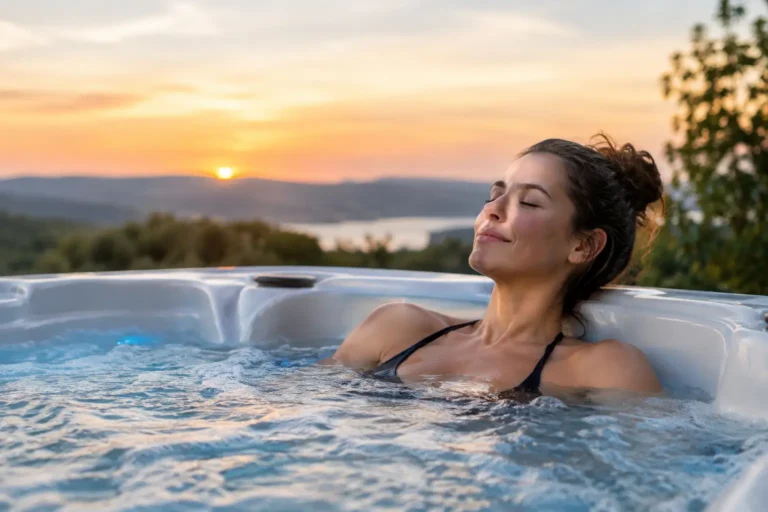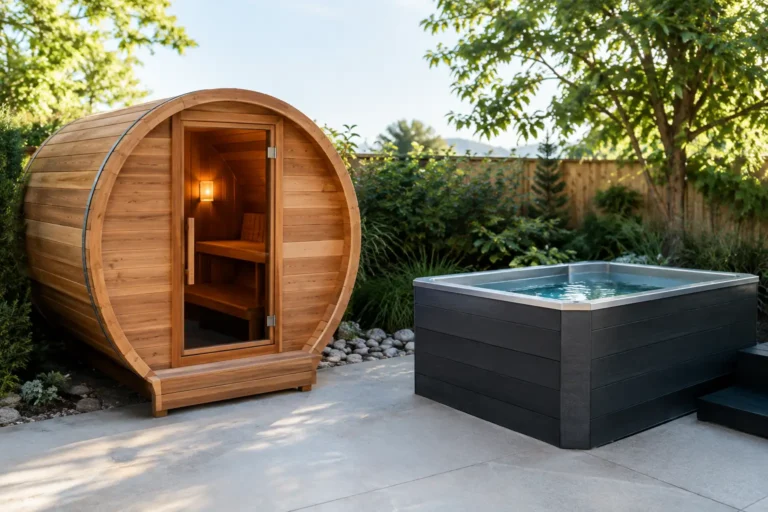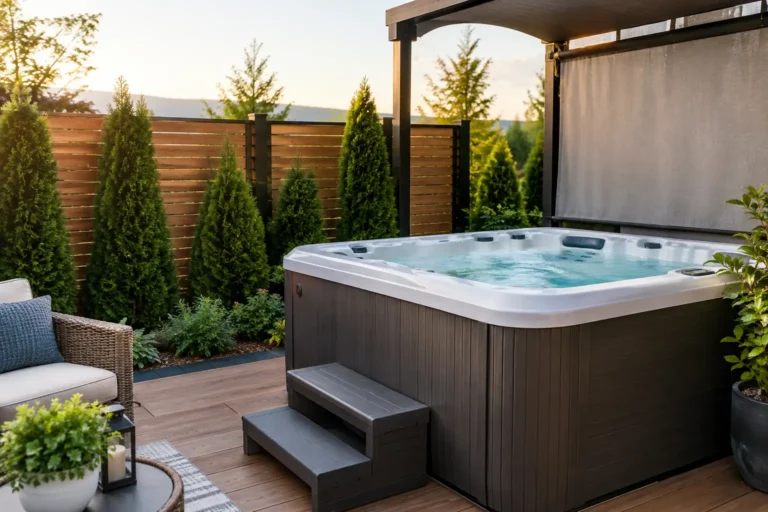
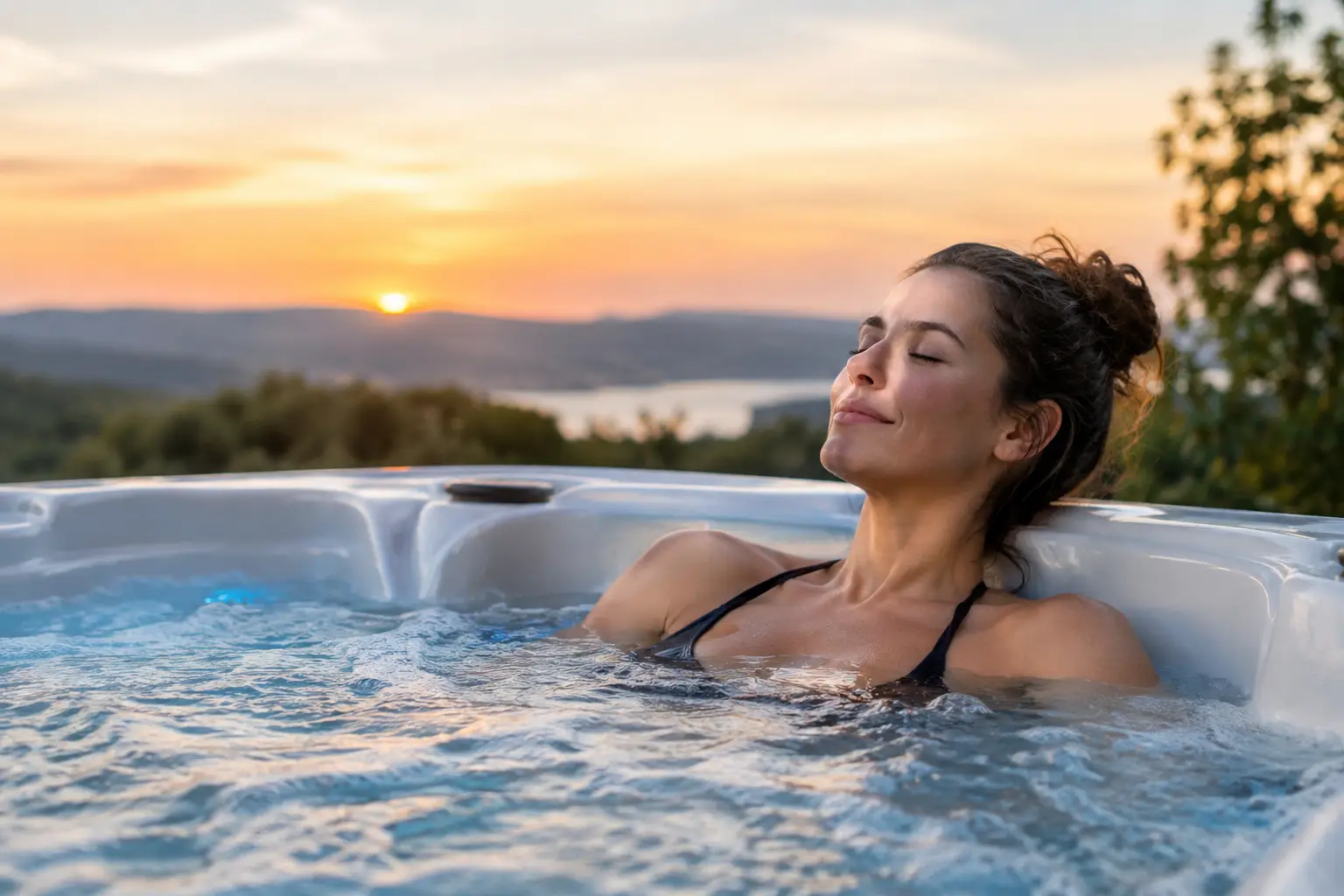
The moment the jets begin to circulate and the day’s noise fades behind a closed gate, a hot tub can feel like a meaningful reset. But can hot tubs help anxiety in a lasting way? They can support relaxation, ease physical tension, and create a dependable wind-down ritual. They are not a replacement for mental health care, medication, or professional treatment, but for many homeowners, regular spa time can become a useful part of a broader anxiety-management routine.
For Southern California households balancing work, family schedules, traffic, screens, and the pressure to always be available, the backyard can offer more than a place to entertain. With the right hot tub and a thoughtful routine, it can become a private place to slow down and recover.
Can Hot Tubs Help Anxiety Through Relaxation?
Anxiety affects both the mind and the body. Racing thoughts may come with tight shoulders, shallow breathing, a clenched jaw, restlessness, difficulty sleeping, or a feeling that it is hard to switch off. Warm water cannot solve every cause of anxiety, but it can address some of the physical stress responses that make anxious feelings harder to manage.
Immersion in warm water encourages the body to relax. Buoyancy reduces the effect of body weight, which can feel especially relieving for people who carry tension in their back, hips, knees, or feet after a long day. At the same time, warm water can help loosen tight muscles and promote a slower, more comfortable state of rest.
Hydrotherapy jets add a targeted massage element. A well-positioned seat can direct water pressure toward the shoulders, lower back, calves, or feet, depending on the spa’s configuration. That physical comfort matters because muscle tension and mental tension often feed each other. When the body feels less guarded, it may be easier to settle the mind.
The benefit is usually less about a single soak and more about consistency. A 15- to 20-minute evening routine, used safely, may give your mind a clear signal that the workday is over and it is time to transition toward rest.
Why a Backyard Spa Routine Can Feel So Calming
A hot tub combines several conditions that support relaxation: warmth, gentle water movement, lower lighting, quiet, and separation from daily demands. Unlike a rushed shower or a quick break on the couch, soaking asks you to step away from the tasks competing for your attention.
That separation is valuable. Many people with anxiety know they need downtime, but they find it difficult to create a boundary around it. A backyard spa can make that boundary more tangible. You leave the phone inside, step into the water, and give yourself a short period with no errands to complete and nowhere else to be.
There is also a sleep connection. Anxiety and poor sleep frequently overlap, and a calm nighttime routine may make it easier to prepare for bed. Some people find that soaking earlier in the evening helps them feel physically relaxed afterward. The timing matters, though. If you are sensitive to heat or feel energized rather than sleepy after a soak, move your spa time earlier and see what feels best.
A hot tub can support connection, too. For couples and families, it may create a screen-free place to talk, laugh, and reconnect. Social support is not a cure for anxiety, but feeling close to the people in your household can be an important source of comfort.
What a Hot Tub Cannot Do
It is helpful to be realistic about the role of hydrotherapy. A spa may reduce stress and physical discomfort, but it should not be treated as a stand-alone treatment for anxiety disorders, panic attacks, depression, trauma, or severe sleep problems.
If anxiety is interfering with work, relationships, sleep, or everyday life, speaking with a licensed mental health professional is a strong next step. If you experience thoughts of self-harm or feel unsafe, seek immediate emergency help or contact the 988 Suicide & Crisis Lifeline by calling or texting 988.
A hot tub works best as one supportive piece of a personal wellness plan. That plan may also include therapy, prescribed care, regular movement, better sleep habits, time outdoors, breathing exercises, and support from trusted people. Think of your spa as a place that makes restorative habits easier to maintain, not as a medical solution.
Building a Spa Routine That Supports Calm
The most calming hot tub experience is usually simple. Start with a predictable time of day, preferably when you are not rushed. Evening works well for many homeowners, but an early-morning soak can also provide a quiet transition before the house gets busy.
Keep the experience low-stimulation. Dim the backyard lighting, choose peaceful music if it helps, or enjoy the sound of the water without adding anything else. Leave work notifications and social media out of reach. Even 15 minutes without a screen can feel surprisingly restorative when it becomes a regular practice.
Try pairing the soak with slow breathing. There is no need to make it complicated. Breathe in gently, then take a slightly longer exhale. Pay attention to the warmth of the water and the support of the seat. If your thoughts wander back to a stressful conversation or tomorrow’s to-do list, notice it and return your attention to your breath or the movement of the water.
Avoid turning the spa into another item to optimize. Some nights, you may want a quiet solo soak. Other nights, a conversation with your partner or a few minutes of stretching in the warm water may be exactly what you need. The goal is to create a routine you genuinely look forward to using.
Choosing Features That Encourage Regular Use
For homeowners considering a hot tub partly for stress relief, comfort and convenience should lead the decision. A spa that fits your body, your household, and your yard is more likely to be used consistently than one selected only for the biggest jet count or the largest footprint.
Seating configuration matters. A deep, contoured therapy seat may be ideal for a solo evening soak, while a lounge can support full-body relaxation for the person who prefers to stretch out. Open seating can be better for families or frequent entertaining, while a smaller model can create an intimate retreat without taking over the patio.
Jet placement deserves more attention than raw quantity. Look for seats that target the areas where you hold tension most often, such as your neck, shoulders, lower back, calves, or feet. Adjustable jets are helpful because comfort is personal. One person may prefer a strong massage, while another finds gentler circulation more relaxing.
Also consider insulation, cover quality, water-care simplicity, and access from the house. When a spa is easy to maintain and comfortable to use year-round, it is more likely to become part of your routine. In Southern California, a nearby backyard location with privacy, safe lighting, and a clear path from the door can make a weeknight soak feel practical rather than like a special occasion.
Safe Soaking Matters When You Feel Anxious
Warm water is soothing, but more heat and more time are not always better. Keep water temperature at or below 104°F, and start with shorter sessions to see how your body responds. Many adults find 15 to 20 minutes comfortable, though individual needs vary.
Drink water before and after soaking, especially on warm days. Avoid alcohol before using a hot tub, since it can increase the risk of dehydration, dizziness, and impaired judgment. Step out immediately if you feel lightheaded, overheated, nauseated, or uncomfortable.
Talk with your doctor before using a hot tub if you are pregnant or have a heart condition, low blood pressure, diabetes, circulation concerns, or other health conditions that may be affected by heat. The same applies if you take medications that cause drowsiness, affect blood pressure, or change how your body regulates temperature.
Clean, balanced water is part of the wellness experience. When water care feels confusing or maintenance becomes a burden, it can undermine the calm you hoped to create. Reliable equipment, a properly fitted cover, and consistent service help protect both the spa and the time you set aside for yourself.
Make Space for a Better Evening
Anxiety rarely disappears because of one habit, one conversation, or one good night’s sleep. Still, small moments of physical ease can add up. A warm soak can give your shoulders a chance to soften, your breathing a chance to slow, and your backyard a more meaningful role in how you care for yourself.
For homeowners choosing a spa as a long-term lifestyle upgrade, Backyards In Style can help match the right seating, jet therapy, size, and ownership support to the way you want to relax at home. The best hot tub for anxiety support is not necessarily the largest or most feature-packed model. It is the one that makes a few calm, restorative minutes feel easy to return to.