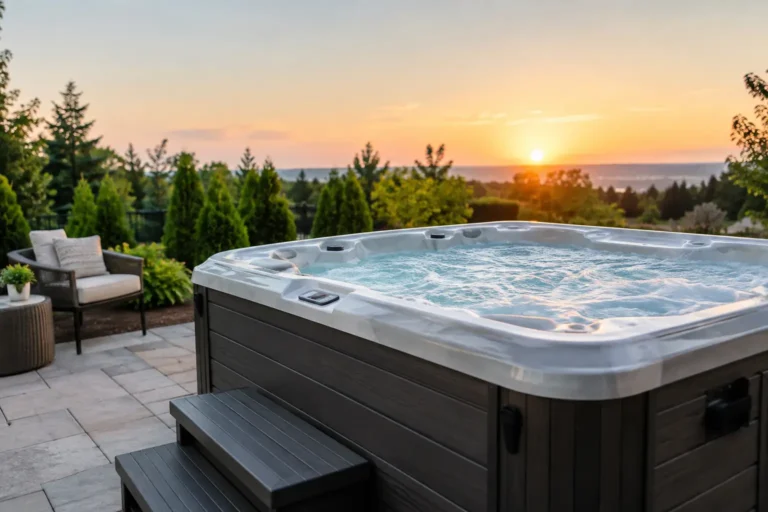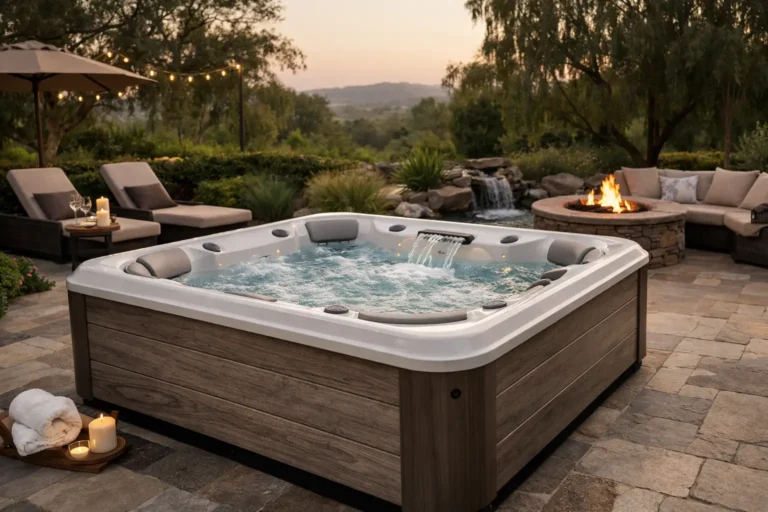
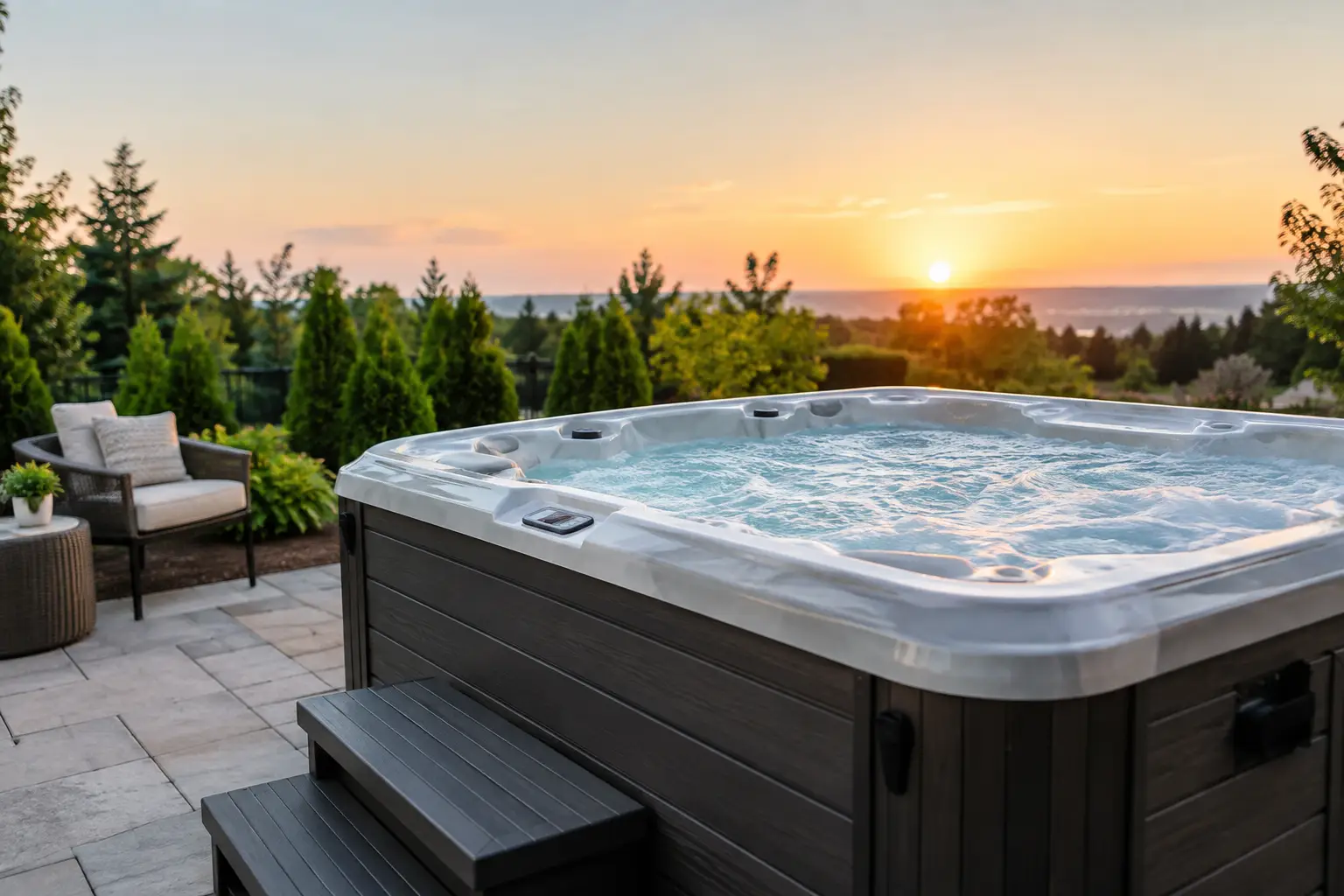
A hot tub can turn the hour after work into a reset, make cool Southern California evenings more inviting, and give family and friends a reason to stay outside a little longer. But the right spa is not necessarily the one with the most jets or the largest shell. When learning how to choose a hot tub, start with how you want your backyard and your daily routine to feel once it is in place.
A well-chosen hot tub should fit your space, your wellness goals, and the level of ownership support you expect. It should also be comfortable for the people who will use it most – not just impressive on a showroom floor.
Start With the Experience You Want
Before comparing models, picture a typical week with your hot tub. Are you looking for quiet hydrotherapy after a long day, a comfortable place for two, or a gathering spot where children, relatives, and neighbors can relax together? The answer affects nearly every decision that follows.
A couple focused on recovery may prefer a compact two- or three-seat spa with a deep therapy seat, targeted jets, and a lounge. A family may get more value from an open-seating model that allows four to seven people to move easily and socialize. If entertaining is a priority, consider a larger spa with varied seat depths so adults of different heights can get comfortable without competing for the same seat.
Think about when you will use it, too. A hot tub placed near the home can become part of an evening routine because it is easy to reach, even after dark. A spa farther into the yard can create more of a destination, especially when paired with a gazebo, patio furniture, lighting, or an outdoor kitchen. Neither approach is wrong. The best choice is the one you will actually use often.
How to Choose a Hot Tub Size That Fits
Hot tub capacity is more than a headcount. A six-person spa can mean six tightly arranged seats, or it can mean a spacious layout that is most comfortable for four adults. Sit in the models you are considering whenever possible. Wet testing is even better because buoyancy changes how a seat feels, where your body rests, and whether you float out of a lounge.
Measure the intended location carefully, including clearance for steps, a cover lifter, service access, and the delivery path. The spa itself may fit on a patio, but a narrow side yard, gate, roofline, or turn from the street can complicate delivery. Planning early helps avoid unnecessary surprises.
The foundation matters just as much as the footprint. A filled hot tub is extremely heavy once you account for water and bathers. It needs a level, durable base designed to support that load, such as a properly prepared concrete pad or another approved foundation. Avoid relying on an aging deck or uneven pavers without confirming they can handle the weight.
For many homeowners, the sweet spot is a four- to six-person spa. It provides room for family use and occasional guests without taking over the entire backyard. Larger models are worthwhile when entertaining is central to your lifestyle, but they require more space, more water, and often more energy to operate.
Choose Hydrotherapy for Your Body, Not a Jet Count
Jet count is easy to compare, but it does not tell the full story. Jet placement, pump strength, adjustability, seat design, and plumbing all influence the quality of hydrotherapy. A thoughtfully designed spa with fewer well-positioned jets can feel more effective than one with a long feature list but limited pressure where you need it.
Consider the areas you want to target. Lower back tension, shoulders, calves, feet, and tired legs may each benefit from different jet configurations. Look for a mix of therapy seats rather than identical seating throughout the tub. One person may want deep-tissue pressure across the back, while another prefers a gentler, more relaxing massage.
Lounge seats deserve special attention. They can be excellent for full-body relaxation, but they do not suit every body type. Some people float upward in a lounge or find they prefer the flexibility of upright seats. If the spa will be shared by people with different preferences, an open-seating design may offer more versatile comfort.
Look Beyond the Purchase Price
A hot tub is a long-term backyard investment, so price should be evaluated alongside construction quality, energy efficiency, warranty coverage, and local service. A lower initial price can lose its appeal if the spa has thin insulation, a poorly fitting cover, difficult-to-source parts, or limited support after delivery.
For Southern California homeowners, energy efficiency still matters. Mild weather can help, but heat loss occurs every night and whenever the cover is off. Look for quality cabinet insulation, a well-engineered shell, efficient pumps, and a substantial cover that seals properly. These details help maintain water temperature and reduce the cost of year-round use.
Ask what is included in the quoted price. Delivery, placement, cover lifters, steps, electrical requirements, start-up guidance, water-care supplies, and removal of an existing spa can all affect the real cost of ownership. Financing can also make a premium model more attainable, but it is still wise to choose a monthly payment that leaves room for routine care and service.
Plan Installation Before You Fall in Love With a Model
The installation process should shape your selection, not become an afterthought. Most portable hot tubs require a dedicated electrical connection installed by a qualified electrician. Your dealer can help clarify the power requirements for specific models, while a licensed electrician can assess your panel capacity, wiring route, and local permit needs.
Privacy, drainage, and access deserve consideration as well. You may love an open backyard view, but neighboring sightlines can make a privacy screen, gazebo, or strategic landscaping worthwhile. Plan for water to drain away from the home and avoid placing the spa where runoff may collect around the cabinet.
Also leave a practical service path. Pumps, controls, and equipment panels occasionally need attention. A spa tucked permanently against a wall or surrounded by fixed structures may look polished but be difficult to maintain. Good installation balances design with access for future care.
Make Water Care Feel Manageable
First-time owners sometimes worry that a hot tub will demand constant attention. In reality, a simple, consistent routine makes ownership much easier. Modern water-care systems can reduce the amount of sanitizer needed, but every spa still needs regular testing, proper sanitizer levels, balanced water, filter rinsing, and periodic draining and refilling.
Your lifestyle should guide the system and service plan you choose. A family using the spa several times a week will have different water-care needs than a couple using it on weekends. If you travel often, prefer a hands-off approach, or simply want more confidence with chemical balance, professional maintenance can protect both the water and the equipment.
Do not overlook the cover. It keeps out debris, holds in heat, supports cleaner water, and makes the spa safer when not in use. A cover lifter is a small addition that can make daily use easier, especially for one person opening and closing the tub.
Buy From a Dealer Prepared to Support Ownership
A hot tub is not a one-day purchase. It is a product you will rely on for years, and the dealership behind it matters. Look for a showroom where you can compare seat layouts, ask detailed questions, and understand the differences between brands and series without pressure to choose the most expensive option.
Local service support is especially valuable when you need water-care advice, replacement parts, repairs, or seasonal guidance. Established manufacturers, clear warranty information, and trained technicians offer practical peace of mind long after installation day. At Backyards In Style, homeowners can explore premium spa options with local guidance that extends from selection and delivery planning to ongoing service.
Give Yourself Permission to Choose Comfort
The best hot tub should support the life you want at home: a quiet place to ease sore muscles, a screen-free family ritual, or a backyard that feels more complete when friends come over. Take measurements, sit in the seats, ask about installation and service, and choose the model that makes you want to step outside more often.