A sauna can change the rhythm of a busy week. It creates a quiet, dedicated place to warm up after a workout, loosen up after a long day, or simply step away from screens for 20 minutes. But when comparing infrared versus traditional sauna, the better choice is not always the hottest one or the newest-looking one. It is the sauna that fits how you want to feel, how you will use it, and where it will live in your home or backyard.
For Southern California homeowners, both options can support a more restorative outdoor lifestyle. The key difference is how they create heat, which affects the temperature, humidity, warm-up time, installation needs, and overall experience.
Infrared Versus Traditional Sauna: The Core Difference
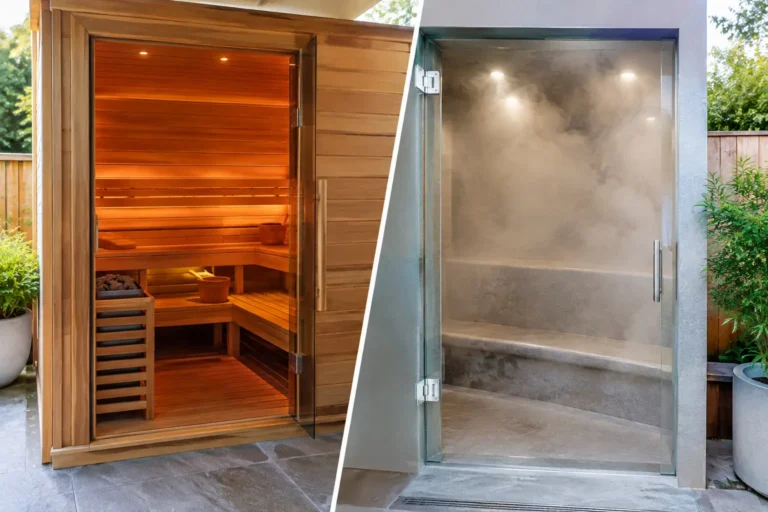
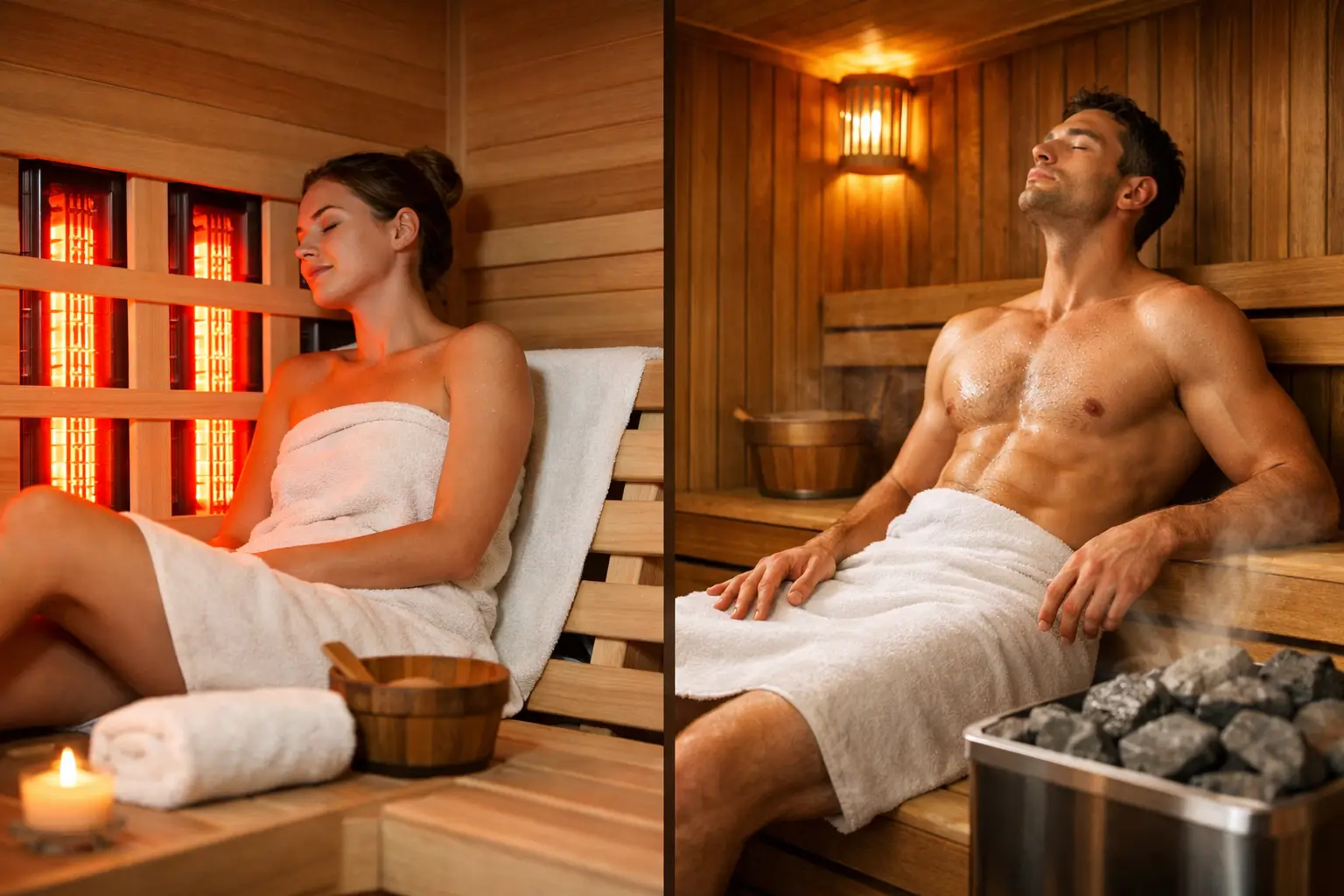
A traditional sauna heats the air inside the room. Electric heaters or wood-burning stoves warm sauna stones, and the stones radiate heat throughout the space. In many traditional saunas, users can ladle water over the stones to create steam, known as löyly. The result is a high-heat, often humid environment that feels immersive and intense.
An infrared sauna works differently. Its infrared panels emit radiant heat that warms the body more directly instead of first heating all the air in the cabin. The air temperature is generally lower, yet many users still experience a deep, steady warmth and significant perspiration.
Traditional saunas commonly operate around 150 to 195 degrees Fahrenheit. Infrared models often run closer to 110 to 150 degrees. Those ranges can vary by model, controls, ventilation, and personal preference, but the distinction matters. Some people love the dry, powerful heat of a traditional sauna. Others find infrared heat more comfortable for longer sessions.
Choose Traditional Heat for a Classic Sauna Ritual
A traditional sauna is often the right fit for homeowners who want the familiar sauna experience: hot air, warmed wood, radiant stones, and the option to add steam. It can feel social as well as restorative, making it a strong choice for a larger backyard wellness area designed around family time or entertaining.
The heat builds around the entire cabin, creating a full-room experience rather than a focused radiant one. Many sauna enthusiasts appreciate the ritual of preheating the room, adjusting the heater, and adding small amounts of water to the stones. It is a sensory experience that can make a backyard retreat feel more complete.
Traditional saunas also tend to offer flexibility in size and placement. Outdoor models can become a handsome focal point near a hot tub, cold plunge, pool, or covered patio. Indoor versions can work beautifully in a home gym, primary suite, or dedicated wellness room when space and ventilation allow.
There are trade-offs. Traditional units generally need more time to preheat, often 30 to 45 minutes depending on the sauna size, heater output, outdoor temperature, and insulation. They can require more electrical capacity as well. A qualified installer should confirm the proper circuit, clearances, ventilation, and site requirements before purchase.
For buyers who enjoy higher temperatures and a shared sauna session, those considerations are usually worthwhile. The atmosphere is difficult to duplicate.
Choose Infrared for Lower-Temperature Comfort
Infrared saunas appeal to people who want heat therapy without the same level of high ambient temperature. Because the air stays comparatively cooler, some users find the experience easier to tolerate, especially when they are new to sauna use or prefer longer, quieter sessions.
This can be particularly appealing after a workout, a round of golf, or a demanding day at work. You still get a warm, relaxing environment, but it may feel less overwhelming than a traditional sauna operating near its upper temperature range.
Infrared models also usually heat up faster. Many are ready in about 10 to 20 minutes, depending on the model and starting conditions. That convenience can make a real difference in everyday ownership. If using the sauna feels as simple as turning it on before a shower or an evening wind-down, it is more likely to become part of your routine.
Electrical needs may be simpler for certain infrared cabins, particularly compact indoor models. However, buyers should not assume every unit plugs into a standard household outlet. Larger and premium models may require dedicated electrical service. Installation should always follow the manufacturer’s requirements and local code.
An infrared sauna is not necessarily a lesser version of a traditional sauna. It is a different experience, often well suited to homeowners who prioritize convenience, gentler heat, and frequent personal use.
Heat, Humidity, and How Your Body Feels
The question is not simply whether you can handle the heat. It is what kind of heat helps you relax.
Traditional sauna heat is hotter in the air and can be adjusted with humidity. A dry session can feel crisp and intense, while a modest amount of water on the stones creates a softer, steamier sensation. That variability is part of the appeal, but higher heat can feel challenging for some people, particularly during longer sessions.
Infrared heat is dry as well, but it feels different because it is radiant. People often describe it as a gradual, penetrating warmth rather than the immediate blast of a hot traditional room. That makes it a comfortable option for those who prefer to sit longer at a lower temperature.
Neither style should be treated as a test of endurance. A productive sauna session is one you can enjoy safely and consistently. Start conservatively, drink water before and after, and leave the sauna if you feel dizzy, nauseated, unusually uncomfortable, or unwell. Anyone with a medical condition, who is pregnant, or who takes medications that affect heat tolerance should speak with a healthcare professional before using a sauna.
Installation Matters More Than Many Buyers Expect
A sauna is a long-term home upgrade, so the right location matters as much as the heating method. Indoor placement offers privacy and convenient access. Outdoor placement creates a destination in the backyard and pairs naturally with other wellness features.
For an outdoor sauna, consider the path from the house, privacy from neighbors, drainage, the base beneath the unit, and exposure to afternoon sun. In Southern California, a shaded or thoughtfully positioned location can make the approach to your sauna more comfortable year-round. A gazebo, privacy screen, or adjacent seating area can turn a simple installation into a true retreat.
Traditional outdoor saunas need careful planning for electrical service or, in the case of wood-burning units, safe stove and chimney installation. Infrared cabins can be easier to place in some situations, but they still need a stable, level surface and appropriate protection from weather if designed for outdoor use. An indoor infrared sauna should never be placed outdoors unless the manufacturer specifically rates it for that environment.
Think about traffic flow, too. A sauna near a shower, cold plunge, or hot tub can support a satisfying contrast-therapy routine. A sauna placed so far from the house that it becomes inconvenient may see less use, no matter how impressive it looks on installation day.
Operating Costs and Maintenance
Both sauna types are typically straightforward to maintain when compared with water-based backyard amenities. There is no water chemistry to balance, but regular care still protects the wood, controls, and comfort of the space.
Traditional saunas may use more energy per session because they heat the air, stones, and cabin to higher temperatures. The actual cost depends on local utility rates, insulation, sauna size, heater capacity, session length, and how often the sauna is used. Infrared saunas often consume less energy for shorter, lower-temperature sessions, though the difference is not identical across every model.
For either style, wipe benches as needed, keep the interior dry between uses, and avoid harsh cleaners that can damage wood or leave odors behind. Towels help protect seating surfaces. Periodically inspect door seals, lighting, controls, and any exterior finish exposed to the elements.
Which Sauna Fits Your Backyard Lifestyle?
Choose a traditional sauna if you want high heat, the option for steam, a classic communal atmosphere, and an authentic sauna ritual. It is especially compelling when the sauna will be a centerpiece in a larger backyard wellness zone.
Choose infrared if you value a faster warm-up, lower-temperature comfort, and easy, frequent solo or couples use. It is often an excellent match for a home gym, a compact wellness room, or a routine built around daily decompression.
Many homeowners begin by focusing on the heater, then realize their bigger question is lifestyle. Will you use the sauna after strength training? Before bed? Alongside a cold plunge? Will it be a private reset or a feature your family and guests share? Those answers should guide the size, placement, and style of sauna you consider.
A showroom conversation can make the decision much clearer. At Backyards In Style, the goal is to help you picture not just the product, but the routine it can create in your home. Choose the sauna that makes you want to step outside, slow down, and take care of yourself more often.