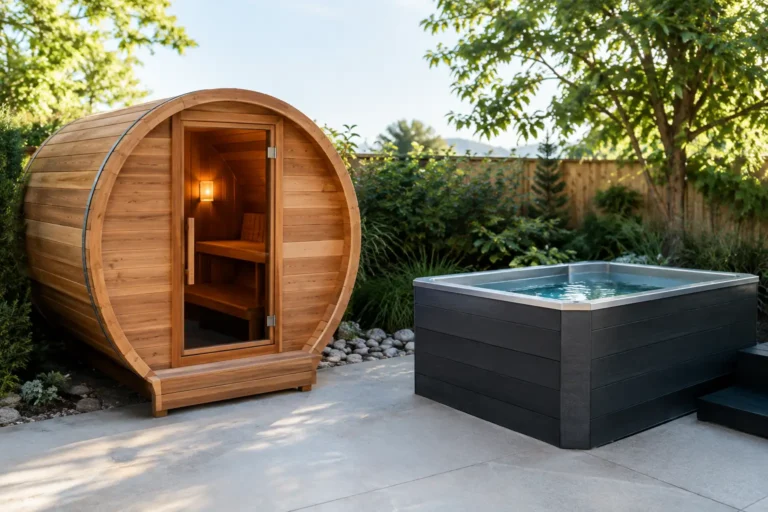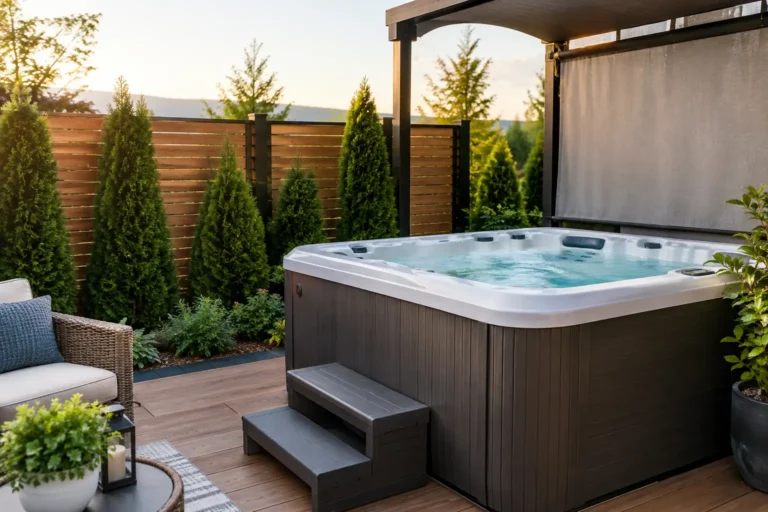
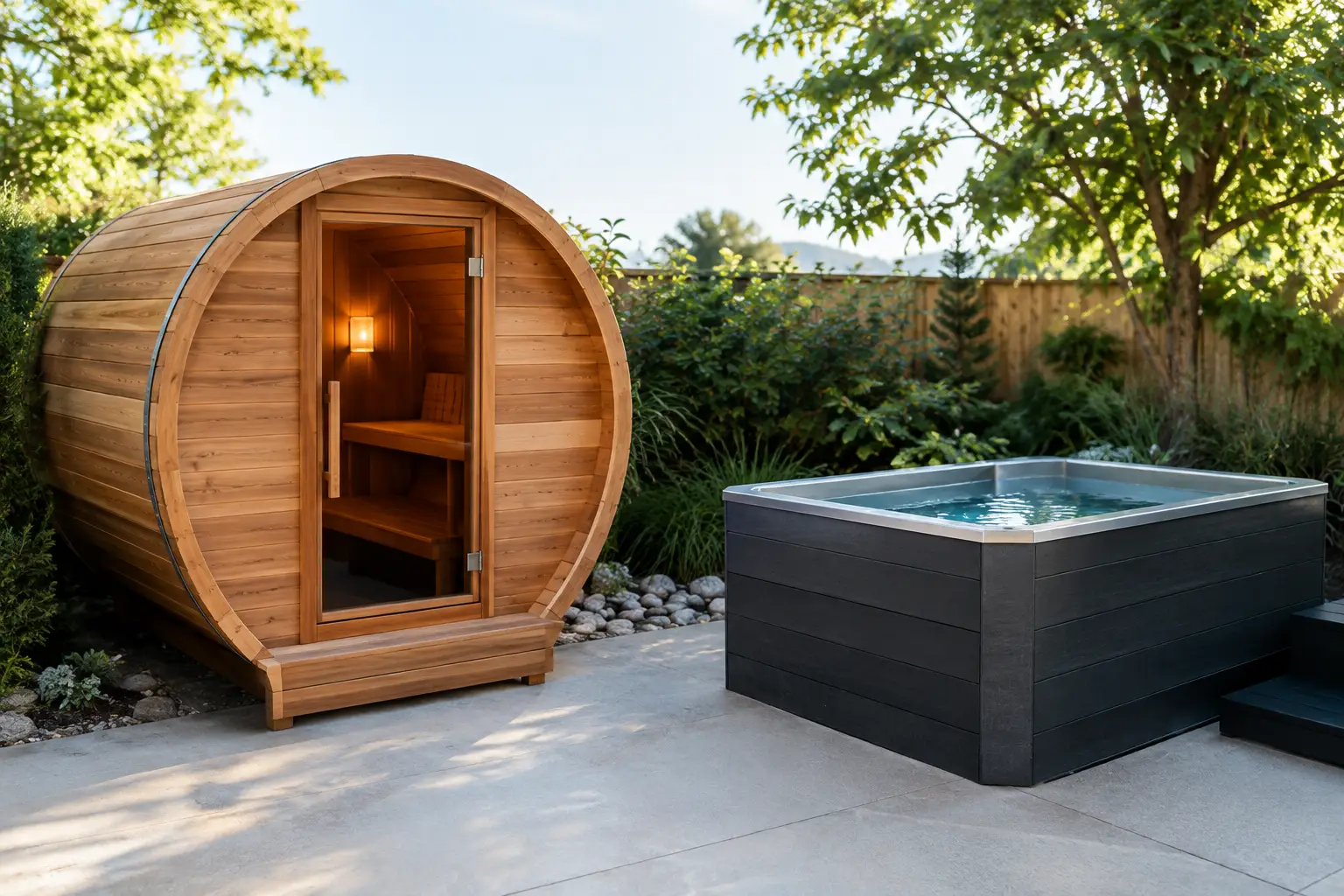
A warm sauna session after a demanding workday and a brisk cold plunge before the morning begins can both make your backyard feel like a personal wellness retreat. But sauna versus cold plunge is not a simple question of hot or cold. The better choice depends on how you want to feel, who will use it, the space you have, and whether you want a calming ritual, an energizing challenge, or a combination of both.
For Southern California homeowners, either option can become a year-round part of outdoor living. The key is choosing an experience you will genuinely enjoy often enough to make it part of your routine.
Sauna versus cold plunge: Start with the feeling you want
A sauna is built around heat, stillness, and recovery. As your body warms, circulation increases, muscles tend to loosen, and the pace of the day naturally slows down. Many owners use a sauna in the evening to ease into sleep, after a workout to relax tight muscles, or simply as a quiet place to step away from screens and responsibilities.
A cold plunge creates the opposite kind of moment. Immersion in cold water feels immediate and intense, bringing a sharp sense of alertness that many people find invigorating. Cold exposure may help some users feel more awake, resilient, and refreshed after training. It is commonly used in short sessions, often in the morning or after strenuous activity, rather than as a long, leisurely escape.
Neither experience is automatically better for everyone. If your idea of wellness is a deep exhale at the end of the day, sauna use may fit naturally. If you enjoy structured challenges and want a fast, focused reset, a cold plunge may be more compelling. Plenty of households find value in both, especially when family members have different wellness goals.
The benefits are different, and so are the routines
The appeal of a sauna is often its comfort. The dry heat can support relaxation and temporary relief for muscle stiffness and everyday aches. A 15- to 20-minute session can become an easy ritual: hydrate, sit back, let your body warm up, then cool down gradually. It is a social option, too. Depending on the sauna’s size and configuration, spouses, friends, or family members can enjoy the experience together.
Cold plunges are usually more individual and more time-efficient. Most users start with brief immersions and build tolerance gradually. The sensation can be intense, but that is part of the appeal for people pursuing post-workout recovery, mental focus, or a consistent morning discipline. Because sessions are short, a cold plunge can be a practical fit for a busy professional who has 5 minutes before work but not an hour to spare.
The trade-off is accessibility. A sauna’s warmth is inviting to many first-time users, while cold-water immersion requires more willingness to be uncomfortable at first. If you are investing in a backyard amenity the entire household should enjoy, consider who is most likely to use it and how often. A wellness purchase should support your lifestyle, not become an impressive feature that sits unused.
Consider your health needs before choosing heat or cold
Saunas and cold plunges are wellness tools, not substitutes for medical care. Both can affect heart rate, blood pressure, and how the body regulates temperature. People with cardiovascular conditions, uncontrolled high blood pressure, circulation concerns, pregnancy, certain medications, or other health conditions should speak with a qualified healthcare professional before beginning either practice.
The same applies if you are recovering from an injury or planning to use cold water for pain management. Cold exposure can be helpful for some people in some situations, but timing matters. For example, athletes focused on building muscle may want professional guidance on when to use cold immersion around strength training.
Safe use is straightforward but essential. Enter a sauna hydrated, limit your session, and leave if you feel dizzy, nauseated, or unwell. With a cold plunge, never force yourself to stay in longer than you can safely tolerate, avoid using it alone, and warm up naturally afterward. Alcohol and extreme temperatures do not mix.
What ownership looks like in a Southern California backyard
A sauna and a cold plunge have different installation and care requirements, though both deserve thoughtful planning. Before selecting a model, consider a level location, clear access for delivery, privacy, electrical needs, drainage, and a path between your home and the unit. Even in mild Southern California weather, a convenient location makes a major difference in how often you use your investment.
An outdoor sauna needs an appropriate foundation and electrical setup, plus enough surrounding clearance for ventilation and service access. You may also want lighting, landscaping, or a nearby seating area to create a more complete retreat. The experience can feel especially polished when the sauna is part of a broader patio, pool, or spa environment rather than placed as an afterthought.
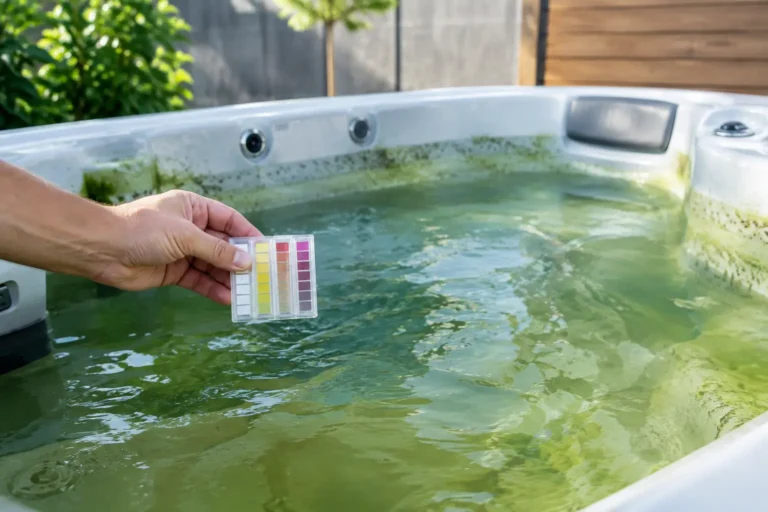
A cold plunge requires attention to water care, filtration, sanitation, and temperature control. Unlike a quick ice bath in a temporary tub, a dedicated cold plunge is designed to maintain cleaner, consistently chilled water for regular use. That convenience can make all the difference for homeowners who want a reliable daily routine, but it also means following a maintenance schedule.
Energy use should be part of the conversation as well. Operating cost depends on the unit, insulation, target temperature, frequency of use, local utility rates, and whether the product is exposed to direct sun or wind. Quality equipment, proper covers, and professional placement help protect efficiency over time.
When a sauna is the stronger choice
Choose a sauna when relaxation, muscle comfort, and an inviting shared experience are at the center of your goals. It is often the better fit for homeowners who want their backyard to feel restorative after long days, who prefer gentle wellness habits over intense ones, or who want a space that can be enjoyed with a partner.
A sauna also pairs naturally with other backyard-living features. After a swim, a workout, or time in a hot tub, it can extend the sense of comfort and create a dedicated place to unwind. For homeowners designing a full outdoor retreat, its warm, architectural presence can complement patio furniture, shade structures, and ambient lighting.
When a cold plunge makes more sense
A cold plunge can be the better match if performance, recovery rituals, and morning energy are your priorities. It works well for active households, runners, cyclists, strength-training enthusiasts, and anyone who values a concise daily practice. Its smaller footprint may also be useful when space is limited, although equipment dimensions and service clearance still need to be planned carefully.
Be honest about your comfort level. A cold plunge is not meant to be punishment, and you do not need to chase extreme temperatures or long sessions to create a meaningful routine. The best setup is one that feels challenging but manageable enough to use consistently.
Why some homeowners choose both
Heat and cold are often treated as competitors, but they can serve different purposes in the same backyard. A sauna supports calm and decompression. A cold plunge supports alertness and a more immediate recovery ritual. Some homeowners enjoy contrast therapy, moving between heat and cold with adequate rest and hydration, though this approach should be gradual and appropriate for individual health circumstances.
If you are considering both, plan the space as a connected wellness zone. A non-slip walking surface, nearby towels and hydration, privacy screening, and comfortable seating make the area safer and more enjoyable. Thoughtful design turns two standalone products into a place you want to visit every day.
At Backyards In Style, the best starting point is not a one-size-fits-all recommendation. It is a conversation about your wellness goals, available space, preferred routine, and the level of ongoing care you are comfortable managing.
The right choice should make it easier to invest in yourself. Whether that means stepping into soothing heat after sunset or taking a refreshing cold plunge before the day begins, your backyard can give you a reason to feel better at home.