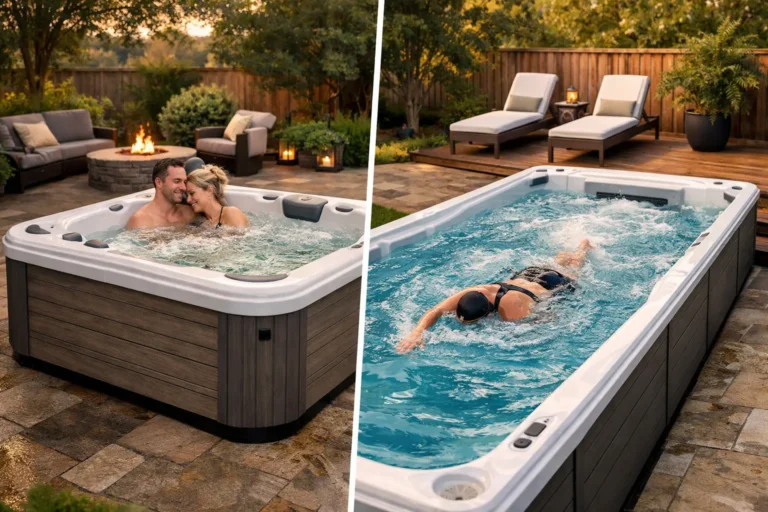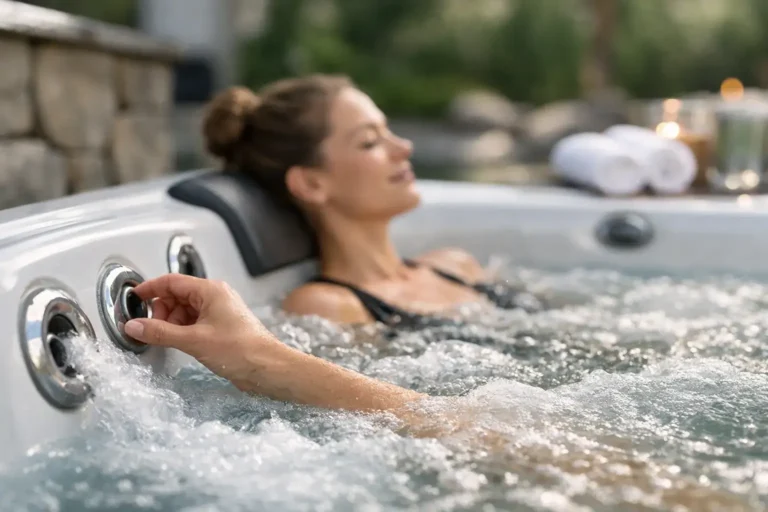
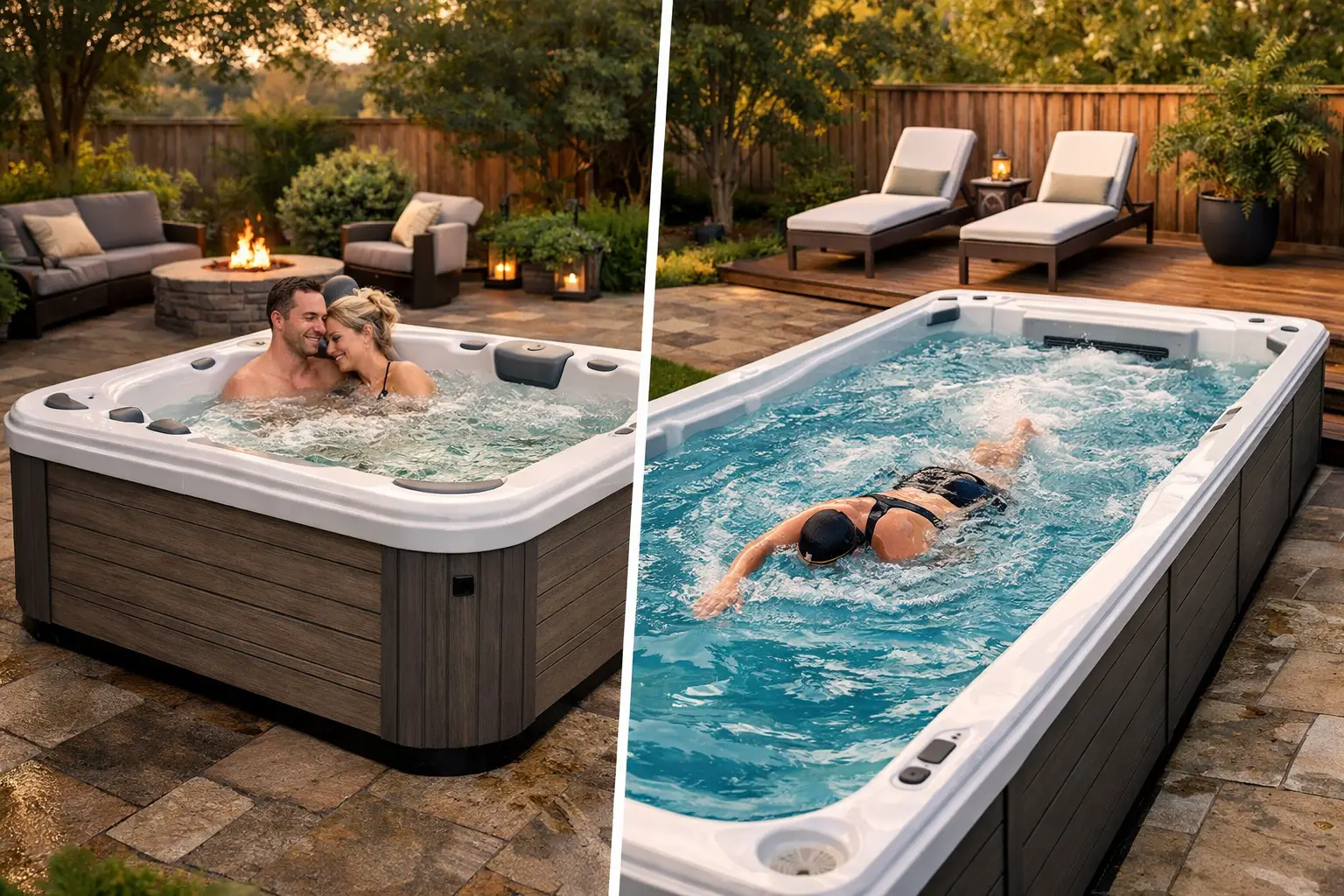
A quiet soak after a long commute, a low-impact workout before work, or a place where the kids actually want to spend the evening – the right water feature can change how your backyard feels every day. When comparing a hot tub versus swim spa, the better choice is rarely about which product is “better.” It is about how you want to use your outdoor space, who will use it, and what kind of routine you want it to support.
For many Southern California homeowners, a hot tub is the natural choice for daily relaxation and hydrotherapy. A swim spa brings a different kind of value: a compact place to exercise, play, recover, and gather. Both can become a year-round centerpiece of a well-designed backyard, but they ask for different levels of space, planning, and investment.
Hot Tub Versus Swim Spa: The Core Difference
A hot tub is designed primarily for warm-water relaxation. Its seating is built around comfort, with contoured lounge seats or upright therapy seats, targeted jets, and room for anywhere from two to eight or more people depending on the model. Water temperature is typically kept in the therapeutic range, making a hot tub especially appealing for stress relief, sore muscles, and easy conversation.
A swim spa is longer and deeper than a traditional hot tub. It creates a current that lets users swim or walk in place, and many models also include seats with hydrotherapy jets. Think of it as a smaller-scale aquatic fitness and recreation space that can still provide the warm-water comfort people expect from a spa.
That distinction matters. If your vision is slipping into warm water at the end of the day, a hot tub is often the most direct path. If your vision includes swimming laps, aquatic exercise, family play, and hydrotherapy in one installation, a swim spa may better match your lifestyle.
Choose a Hot Tub for Everyday Restoration
A premium hot tub is often the stronger fit for homeowners whose priority is relaxation, pain management, or social connection. It heats relatively quickly, uses less water than a swim spa, and generally has a smaller footprint. That can make it easier to place near a patio, under a gazebo, beside an outdoor kitchen, or in a more private corner of the yard.
The seating experience is also more specialized. Jet placement, seat depth, lounge positions, and ergonomic contours are designed to target areas such as the lower back, shoulders, calves, and feet. For someone managing post-workout tightness, long days at a desk, or the normal aches that come with an active life, those details can make a real difference.
A hot tub also supports the kind of casual use that tends to become a habit. It does not need to be an event. Fifteen quiet minutes before bed, a conversation with your partner, or a weekend soak with friends can be enough to make the investment feel worthwhile.
Hot tubs do have limits. While children can enjoy them with appropriate supervision and water-temperature awareness, they are not designed for active play or meaningful swimming. If fitness is a major purchase driver, a hot tub may leave you wishing for more water space later.
Choose a Swim Spa for Fitness and Flexibility
A swim spa earns its larger footprint by serving more purposes. The adjustable current can accommodate swimming in place, while the open water area can be used for water walking, resistance training, stretching, and low-impact exercise. This is particularly appealing for homeowners who want a consistent workout option without driving to a gym or maintaining a full-size pool.
For families, a swim spa can be a practical middle ground. It gives children room to splash and play while offering adults a place to exercise or relax. Some designs include separate temperature zones, allowing one section to stay cooler for swimming while another remains warm for hydrotherapy. That flexibility is valuable, though it also adds complexity and can increase the initial investment.
A swim spa can be used year-round, which is a major advantage over a traditional pool that may sit unused for stretches of the year. In Southern California, pleasant weather makes outdoor use especially inviting, but a covered, well-lit installation can keep the space comfortable through cooler evenings as well.
The trade-off is scale. Swim spas usually require a longer, stronger foundation and more clearance for delivery, service access, and cover operation. They also use more water and may require more energy to maintain, although insulation, quality covers, and efficient equipment can help control operating costs.
Start With Space, Access, and Installation
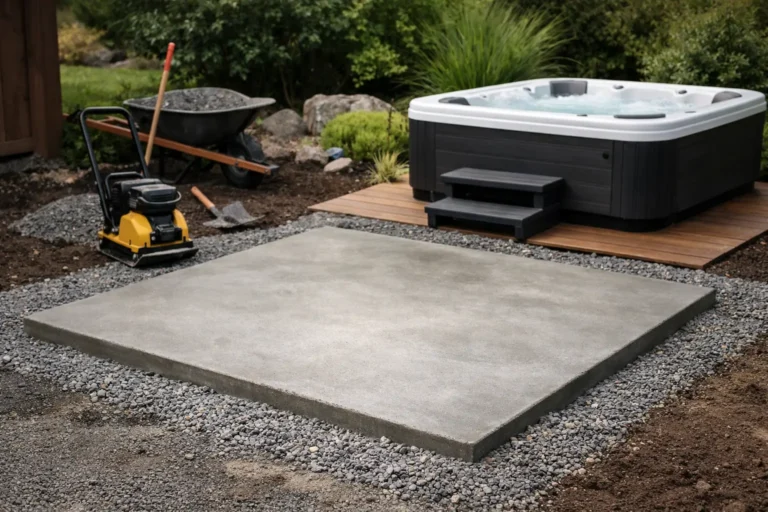
Before falling in love with a particular model, look closely at the site. A hot tub may fit comfortably on a properly reinforced patio or a dedicated concrete pad. A swim spa typically needs a larger engineered base because of its length and the substantial weight of water, equipment, and occupants.
Delivery access deserves equal attention. Can the unit travel through a side yard? Are gates wide enough? Is there a steep slope, low roofline, or overhead obstacle? In some properties, a crane is the safest solution. Planning this early avoids selecting a model that cannot reach its intended location without additional work.
Electrical requirements also vary. Most premium hot tubs and swim spas need a dedicated electrical connection installed by a qualified professional. Your installation plan should account for local codes, drainage, privacy, circulation around the unit, and a clear route for future service visits.
This is where an in-person consultation is useful. A showroom visit helps you compare seat heights, jet configurations, and dimensions, while a site review turns broad ideas into a realistic installation plan.
Compare the Ownership Costs Honestly
Purchase price is only one part of the decision. A hot tub is generally less expensive to buy, install, heat, and maintain because it holds less water and has a smaller overall system. It can be an excellent long-term wellness investment without asking for pool-level space or infrastructure.
A swim spa usually costs more upfront, and it may involve greater site-preparation and electrical expenses. Its ongoing costs can also be higher, especially if it has a large water volume or dual-zone heating. Still, it can replace or reduce spending on gym memberships, pool maintenance, or separate exercise equipment for households that will use it consistently.
Water care is manageable for both when a routine is established. Regular testing, balanced sanitizer levels, filter cleaning, and periodic drain-and-refill service protect water quality and equipment. A larger swim spa simply gives you more water to manage. Choosing a quality cover, maintaining proper chemistry, and scheduling professional service when needed can help preserve efficiency and protect your investment.
Think About Who Will Use It Most
The best choice becomes clearer when you picture a normal Tuesday, not just a celebratory weekend. If two adults will use the water most evenings to relax and recover, prioritize a hot tub with seating that fits their bodies and therapy needs. A five- or six-seat model may be more useful than a larger spa with seats that rarely get used.
If one or more family members are committed swimmers, recovering from an injury, or looking for low-impact conditioning, a swim spa can create opportunities that a hot tub cannot. For multigenerational households, it can also be easier to find a comfortable use case for everyone.
Entertaining matters, but it should not be the only deciding factor. A large hot tub can make gatherings warmer and more intimate. A swim spa brings more room for activity, yet its length may shape the layout of the rest of your patio, furniture, grill area, or shade structure. Your backyard should still feel balanced when the water feature is not in use.
Find the Right Fit Before You Buy
Comfort is personal. One person may prefer a full-body lounge, while another may dislike floating in a reclined seat and want deeper upright therapy seating. Likewise, swim spa currents feel different across models, and the best option depends on whether your goal is casual fitness, serious training, rehabilitation, or family recreation.
At Backyards In Style, homeowners can compare respected hot tub and swim spa options with local guidance on features, placement, delivery, water care, and ongoing service. That support is especially valuable for a purchase intended to serve your home for years, not just one season.
Choose the water experience that you will return to most often. The right one is the one that makes a healthier, calmer, more connected backyard feel like part of your everyday life.